

- 📢 Welcome to FundayForum – Explore Trending Topics
- 🌟 Discover What’s Trending Today
- Taylor Swift exposes what Dakota Johnson, Colin Farrell were really arguing about on set
- Australia probes flydubai co-pilot's links to country, say police
- Andrew Mountbatten-Windsor turns tables with surprise legal action
- Big brother couple Elsa Rae, Marcus John become parents to baby boy
- Three India-backed terrorists killed in DI Khan operation: security sources
- Fighting terror in the court
- Islamabad march: PTI caravan led by CM Afridi reaches KP's Karak
- Zayn Malik thanks Chile after emotional KONNAKOL Tour opener: ‘Big love'
- Rihanna reacts after EJ Johnson complains about Paris Fashion Week
- Sass Jordan dies: Singer and Canadian Idol judge at 65
-
Posts
-
.thumb.png.ea12d62fcb43a79b1d7a7a4664107cbc.png)
ADMIN 348

National Digital Compliance & Traceability Platform for Automotive SMEs — connecting compliance, supply-chain traceability, QR-based product identification and Digital Product Passport readiness. National Digital Compliance & Traceability Platform for Automotive SMEs – How the App Works, Benefits, Supply Chain & Digital Product Passport
National Digital Compliance & Traceability Platform is a proposed secure and interoperable digital platform designed to bring labour compliance, SME formalization, supply-chain traceability and Digital Product Passport (DPP) readiness into one connected system.
The platform presentation uses the automotive sector and a front disc-brake assembly as a practical case study to demonstrate how an SME, its suppliers, inspectors, regulators and international buyers can work through a connected digital ecosystem.
🚗 1. Why Does the Automotive Sector Need a Digital Compliance & Traceability Platform?
Automotive supply chains can involve many businesses, from raw-material suppliers and casting units to machining companies, component manufacturers, assemblers and international OEM buyers.
The presentation identifies a major challenge: compliance evidence is often fragmented across regulators, OEMs, multi-tier suppliers and paper-based workflows. Tier 2–4 vendors can remain difficult to identify and verify, even though their activities may directly affect the final exported product.
Key challenges
- Fragmented compliance documentation
- Paper-based and manual workflows
- Limited digital capability among SMEs
- Limited visibility of Tier 2–4 suppliers
- No unified multi-tier BOM traceability
- Manual inspections and corrective actions
- Limited risk scoring and centralized dashboards
- Growing international demand for verifiable supply-chain evidence
- Need for product-level Digital Product Passport readiness
The proposed platform is intended to turn this fragmented information into structured, trusted and auditable digital data.
💻 2. What Is the National Compliance & Traceability Platform?
The proposed platform is a modular national web application combining several functions in one ecosystem.
- Compliance Monitoring – enterprise profiles, self-assessments, compliance rules and gap identification.
- Due Diligence – document submission, verification, inspections, grievances and corrective actions.
- Digital Product Passport – product-level compliance and sustainability information.
- Supply Chain Traceability – raw material to finished product and export, including Tier 1–4 visibility.
- Dashboards & Analytics – KPIs, risk scoring, heat maps and reports.
- API Interoperability – connection with relevant government, sectoral and social-security systems.
- Web Application – English/Urdu and field-user oriented, with offline-capable workflows.
- Helpdesk & SME Onboarding – guided registration, tickets, guidance and notifications.
The presentation describes the system as secure, scalable, government-owned and suitable for national reporting and international due-diligence requirements.
⚙️ 3. How Will the App Work for an SME?
Step 1 – SME Registration
The SME creates an enterprise profile containing information such as its registration, sector, HS code, facility and role in the supply chain.
For example, the presentation uses Bravo Brake Systems as a representative automotive enterprise registering for brake assemblies under HS 8708.30.
Step 2 – Guided Self-Assessment
The SME completes guided compliance checklists covering relevant labour and environmental parameters.
This approach is designed to make compliance easier for smaller businesses that may not have dedicated compliance departments.
Step 3 – Compliance Scoring
A configurable rules engine evaluates the information and identifies compliance gaps.
Instead of simply storing documents, the system can show the SME where improvement is required.
Step 4 – Corrective Action
Identified gaps can become corrective actions with deadlines, evidence requirements and verification workflows.
Step 5 – Verification & Inspection
Documents can be submitted and verified, inspections can be scheduled and findings can be digitally recorded.
Worker grievances and non-compliance issues can also be logged and followed through the platform.
Step 6 – Supply Chain Mapping
The SME's product can be connected to relevant upstream suppliers and manufacturing stages, creating a structured supply-chain record.
Step 7 – QR / Barcode & Product Passport
The finished product or batch can be associated with a QR code, barcode or batch ID. Authorized users can then retrieve the permitted product and compliance information.
Step 8 – Continuous Monitoring
The SME dashboard provides its compliance status, action plan, certificates and helpdesk cases so that compliance becomes an ongoing process rather than a one-time registration activity.
The platform's core compliance module specifically includes enterprise profiles, guided self-assessment, a configurable rules engine and corrective-action workflows.
🔗 4. Automotive Example – Front Disc-Brake Assembly
The presentation demonstrates the traceability model through a front disc-brake assembly.
Tier Stage Example Information Tier 4 Steel & friction compound Origin, lot and supplier information Tier 3 Casting & pressing Caliper and pad batch evidence Tier 2 Machining & bonding Sub-assembly and testing records Tier 1 Finished assembly QR / DPP linkage Tier 0 Export / OEM buyer Verified product passport This multi-tier structure allows the platform to follow a component from its raw-material sources through manufacturing and ultimately to the international buyer.
📱 5. How Does QR-Code Traceability Work?
- A product or batch receives a unique digital identity.
- The identity is linked to the platform's product record.
- Supplier and production information is connected to the relevant BOM.
- Compliance and sustainability evidence is attached to the appropriate record.
- An authorized user scans the QR/barcode.
- The platform retrieves the permitted product/passport information.
- Buyers, auditors or inspectors can verify the available evidence according to their access rights.
The proposed field-inspector workflow is:
Scan QR → Open Facility Profile → Conduct Checklist → Upload Evidence → Sync Offline/Online → Trigger Corrective Action
📋 6. What Can the Digital Product Passport Contain?
The automotive component passport described in the presentation can contain several categories of information.
Product Identity
- QR/barcode
- Batch ID
- Exporter linkage
Sustainability Information
- Recycled steel content
- Casting and machining energy information
- Relevant mass-balance factors
Labour Evidence
- Factory certification
- Workforce compliance
- Due-diligence information
Verification
Controlled retrieval of information can be provided for authorized OEM buyers and auditors.
The intended result is auditable product information that can be verified rather than relying solely on unsupported declarations.
🏭 7. How Will This App Help Automotive SMEs?
1. Easier Compliance Management
SMEs can use guided checklists, compliance scoring and corrective-action plans instead of managing compliance entirely through scattered paperwork.
2. Better Supply-Chain Visibility
Smaller Tier 2–4 suppliers can become visible within the automotive supply chain.
3. Export Readiness
The platform can organize the evidence and product information needed for buyer due-diligence processes.
4. Digital Product Passport Readiness
SMEs can begin organizing product identity, sustainability, labour and verification information in a structured digital format.
5. Corrective-Action Guidance
Compliance gaps can be converted into actions with deadlines and evidence requirements.
6. English & Urdu Access
The proposed application is intended to support English and Urdu, helping make onboarding more accessible for local SMEs.
7. Offline-Capable Field Work
The platform scope includes offline-capable field-user workflows for situations where continuous connectivity may not be available.
8. Helpdesk & Guidance
SMEs can receive guidance, notifications and helpdesk support through the platform.
9. Centralized Records
Compliance status, certificates, corrective actions and traceability information can be managed from one digital environment.
The presentation specifically identifies simple SME onboarding, English/Urdu access, offline capability, certificates and guidance as SME requirements.
📊 8. What Will the SME Dashboard Show?
- Compliance score/status
- Open compliance gaps
- Corrective-action plan
- Deadlines
- Required evidence
- Certificates
- Verification records
- Supply-chain information
- Product passport information
- Helpdesk cases
- Notifications
Other stakeholder groups receive different dashboards according to their responsibilities. NCC/ILO can view national indicators, provincial departments can view inspections and hotspots, SMEs can view their own compliance status, while associations and partners can access aggregated benchmarks.
🔍 9. Due-Diligence Workflow
The due-diligence module converts documents, inspections, grievances and corrective actions into an auditable compliance trail.
- Document submission
- Document validation
- Document verification
- Inspection scheduling
- Inspection reporting
- Grievance recording
- Non-compliance tracking
- Corrective-action assignment
- Evidence upload
- Verified sign-off
- Risk scoring
The presentation illustrates this process with a sample batch audit trail in which each activity is time-stamped and the resulting compliance/risk status can be followed.
🏛️ 10. How Can Existing Government Systems Connect?
The proposed architecture is API-first. The objective is to connect existing systems rather than replace every existing database.
- SECP: business registration
- FBR: tax / NTN verification
- SMEDA: SME registry and profiling
- EDB / PAMA: automotive-sector information
- EOBI / PESSI / SESSI: social-security information
- Provincial systems: inspection and enforcement information
- PSQCA / PNAC: testing and certification infrastructure
The architecture uses a governed API gateway, OpenAPI 3.0, role-based access control and audit logs.
🔐 11. Security & Data Protection
Security is presented as part of the platform architecture from the beginning.
- Identity & Access: OAuth/OpenID, MFA and granular role-based access.
- Data Protection: TLS 1.3 and AES-256 with purpose limitation.
- Auditability: immutable logs, export controls and traceable changes.
- Testing: OWASP practices, vulnerability scanning and penetration testing.
The presentation also specifies role-based access, audit trails, data protection, purpose limitation and governed interoperability as core data-governance principles.
🌍 12. International Compliance & Export Readiness
The presentation identifies several regulatory and international-market drivers relevant to export-oriented businesses:
- GSP+: verifiable labour standards evidence
- EU CSDDD: supply-chain due-diligence
- ESPR / ELV: product and vehicle circularity passport readiness
- ILO Frameworks: decent work, just transition and SDG alignment
The deck also discusses the EU ESPR Working Plan, automotive-relevant steel and tyres, the End-of-Life Vehicles Regulation and future battery/DPP requirements. Specific legal requirements and dates should always be checked against the latest official regulatory documents before an SME relies on them for an actual export transaction.
🧑💼 13. Example: How a Small Automotive Supplier Could Use the Platform
Imagine a small machining company supplying components to a Tier 1 automotive manufacturer.
- The company registers on the platform.
- It creates its enterprise and facility profile.
- It identifies its sector, product and relevant HS information.
- It completes the guided compliance assessment.
- The platform identifies compliance gaps.
- The SME uploads the required evidence.
- Corrective actions are completed and verified.
- The company's product is connected to the relevant supply-chain/BOM record.
- Batch or product information is linked with its digital identity.
- Authorized buyers or auditors can verify permitted information.
- The SME continues updating its records as compliance and production information changes.
This creates a continuous digital relationship between SME → compliance → supplier → product → traceability → buyer.
📈 14. Main Benefits for Automotive SMEs
Area Platform Support Compliance Self-assessment, scoring, evidence and corrective actions Traceability Tier 1–4 supply-chain and BOM visibility Export Readiness Structured compliance and product evidence DPP Readiness QR/barcode-linked product information Inspections Digital scheduling, findings and follow-up Worker Processes Grievance and non-compliance tracking SME Support English/Urdu onboarding and helpdesk Reporting Dashboards, KPIs, risk scoring and reports Interoperability API connections with existing systems
🔄 15. Complete Platform Workflow
SME Registration → Enterprise Profile → Self-Assessment → Compliance Score → Gap Identification → Corrective Action → Evidence Upload → Verification / Inspection → Supply-Chain Mapping → QR / Product ID → Digital Product Passport → Buyer / Auditor Verification → Continuous Monitoring
This combines the major modules described in the presentation into one practical SME journey.
👥 16. Key Stakeholders
- NCC: national strategic oversight and data governance
- ILO: technical guidance and quality assurance
- SMEDA: SME onboarding, profiling and registry integration
- Provincial Departments: inspections and enforcement workflows
- SECP / FBR / EOBI / PESSI / SESSI: registration, tax and social-security interoperability
- EDB / PAMA / PSQCA: automotive-sector policy, membership and testing/certification ecosystem
- SMEs & Suppliers: registration, compliance, evidence and traceability
- Workers: grievance and labour-rights visibility
The proposed governance framework assigns institutional responsibilities while emphasizing role-based access, audit trails, data protection and governed interoperability.
🚀 17. Why Is This Important for the Future of Automotive SMEs?
The platform is designed to connect compliance with the actual product and supply chain.
For an SME, this means its compliance record is not simply a collection of documents. It can become part of a structured digital record connected with its facility, suppliers, production activities and products.
For an international buyer, the model provides a mechanism for controlled access to product and compliance evidence.
For inspectors, it provides digital inspection and corrective-action workflows.
For institutions, it provides dashboards, indicators, risk information and aggregated reporting.
📝 18. Conclusion
The National Digital Compliance & Traceability Platform presented for the automotive sector is designed to bring SME formalization, compliance monitoring, due diligence, multi-tier supply-chain traceability, Digital Product Passport readiness, analytics and institutional interoperability into one digital ecosystem.
For automotive SMEs, the proposed app can provide a practical pathway from registration and compliance assessment to corrective actions, supplier traceability, product identification and export-readiness evidence.
The presentation's closing value proposition is that the platform is intended to make compliance visible, traceable and actionable, while supporting SMEs and Tier 1–4 suppliers through a secure and nationally governed architecture.
Important: This article describes the proposed/draft platform presented in the supplied presentation. Specific regulatory obligations, implementation dates, integrations and certification requirements should be verified against current official sources before being used for a specific business or export decision.
🏷️ Hashtags
#NationalCompliancePlatform #DigitalTraceability #AutomotiveSMEs #SMEs #PakistanAutomotive #SupplyChainTraceability #DigitalProductPassport #DPP #AutomotiveIndustry #Compliance #ExportReadiness #SMEFormalization #DueDiligence #SupplyChain #AutomotiveExports #PakistanExports #DigitalTransformation #PaceTechnologies #ILO #SMEDA #PAMA #EDB #PSQCA
0 -

Waqas Dar 7,114
Hazrat Yusuf (AS) – A complete Qur’anic and Tafsir biography covering his life, trials, patience, faith, forgiveness, and lessons from Surah Yusuf. Prophet Adam (AS) ➝ Prophet Idris (AS) ➝ Prophet Nuh (AS) ➝ Prophet Hud (AS) ➝ Prophet Salih (AS) ➝ Prophet Ibrahim (AS) ➝ Prophet Lut (AS) ➝ Prophet Ismail (AS) ➝ Prophet Ishaq (AS) ➝ Prophet Yaqub (AS) ➝ ★ Prophet Yusuf (AS) ➝ Prophet Ayyub (AS) ➝ Prophet Shuayb (AS) ➝ Prophet Musa (AS) ➝ Prophet Harun (AS) ➝ Prophet Dhul-Kifl (AS) ➝ Prophet Dawud (AS) ➝ Prophet Sulayman (AS) ➝ Prophet Ilyas (AS) ➝ Prophet Al-Yasa (AS) ➝ Prophet Yunus (AS) ➝ Prophet Zakariya (AS) ➝ Prophet Yahya (AS) ➝ Prophet Isa (AS) ➝ Prophet Muhammad ﷺ
Prophet Yusuf (AS) – Complete Qur’anic & Tafsir Biography / حضرت یوسف علیہ السلام – مکمل قرآنی و تفسیری زندگی
🧭 1. Introduction / تعارف
English: Prophet Yusuf (AS) was one of the noble prophets of Allah and the beloved son of Prophet Yaqub (AS). His life is one of the most detailed prophetic stories mentioned in the Qur’an, especially in Surah Yusuf. His story contains lessons of faith, patience, forgiveness, chastity, wisdom, leadership, and complete trust in Allah.
اردو: حضرت یوسف علیہ السلام اللہ تعالیٰ کے جلیل القدر نبی اور حضرت یعقوب علیہ السلام کے محبوب بیٹے تھے۔ آپ کی زندگی کا واقعہ قرآن مجید میں خاص طور پر سورۃ یوسف میں تفصیل کے ساتھ بیان ہوا ہے۔ آپ کی زندگی ایمان، صبر، پاکدامنی، حکمت، معافی، قیادت اور اللہ پر کامل بھروسے کے عظیم اسباق پر مشتمل ہے۔
Arabic: نَحْنُ نَقُصُّ عَلَيْكَ أَحْسَنَ الْقَصَصِ
Reference: Qur’an 12:3
👨👦 2. Blessed Family & Lineage / مبارک خاندان اور نسب
English: Prophet Yusuf (AS) belonged to a blessed prophetic family. He was the son of Prophet Yaqub (AS), the grandson of Prophet Ishaq (AS), and the great-grandson of Prophet Ibrahim (AS). His family was honored with prophethood and divine guidance.
اردو: حضرت یوسف علیہ السلام ایک مبارک نبوی خاندان سے تعلق رکھتے تھے۔ آپ حضرت یعقوب علیہ السلام کے بیٹے، حضرت اسحاق علیہ السلام کے پوتے اور حضرت ابراہیم علیہ السلام کے پڑپوتے تھے۔ آپ کا خاندان نبوت اور اللہ کی ہدایت سے عزت یافتہ خاندان تھا۔
Arabic: وَكَذَٰلِكَ يَجْتَبِيكَ رَبُّكَ وَيُعَلِّمُكَ مِن تَأْوِيلِ الْأَحَادِيثِ
Reference: Qur’an 12:6
🌙 3. The Beautiful Dream / خوبصورت خواب
English: Prophet Yusuf (AS) saw a remarkable dream in which he saw eleven stars, the sun, and the moon prostrating before him. Prophet Yaqub (AS) understood that the dream carried a special meaning and advised Yusuf (AS) not to tell his brothers about it.
اردو: حضرت یوسف علیہ السلام نے ایک عظیم خواب دیکھا جس میں انہوں نے گیارہ ستاروں، سورج اور چاند کو اپنے سامنے سجدہ کرتے دیکھا۔ حضرت یعقوب علیہ السلام نے سمجھ لیا کہ اس خواب میں ایک خاص اشارہ ہے اور انہوں نے حضرت یوسف علیہ السلام کو ہدایت کی کہ یہ خواب اپنے بھائیوں کو نہ بتائیں۔
Arabic: إِنِّي رَأَيْتُ أَحَدَ عَشَرَ كَوْكَبًا وَالشَّمْسَ وَالْقَمَرَ رَأَيْتُهُمْ لِي سَاجِدِينَ
Reference: Qur’an 12:4
💔 4. The Well – Betrayal by His Brothers / کنواں اور بھائیوں کی جدائی
English: Prophet Yusuf’s (AS) brothers became jealous of the love their father showed toward him. They planned to take Yusuf (AS) away and eventually threw him into a well. They later returned to their father with a false story and Yusuf’s shirt covered with false blood.
اردو: حضرت یوسف علیہ السلام کے بھائی اپنے والد کی محبت کی وجہ سے حسد میں مبتلا ہوگئے۔ انہوں نے حضرت یوسف علیہ السلام کو اپنے ساتھ لے جا کر کنویں میں ڈال دیا۔ پھر وہ جھوٹی کہانی بنا کر حضرت یعقوب علیہ السلام کے پاس واپس آئے اور حضرت یوسف علیہ السلام کی قمیص کو جھوٹے خون سے آلودہ کر دیا۔
Arabic: قَالُوا يَا أَبَانَا إِنَّا ذَهَبْنَا نَسْتَبِقُ وَتَرَكْنَا يُوسُفَ عِندَ مَتَاعِنَا فَأَكَلَهُ الذِّئْبُ
Reference: Qur’an 12:17
⛓️ 5. Egypt – From Slavery to Trial / مصر اور آزمائش
English: Yusuf (AS) was found by travelers and taken to Egypt. He was sold and came into the household of a prominent Egyptian official. Despite his difficult circumstances, Allah protected him and prepared him for a greater purpose.
اردو: حضرت یوسف علیہ السلام کو ایک قافلے نے کنویں سے نکالا اور مصر لے گیا۔ وہاں انہیں فروخت کر دیا گیا اور وہ ایک بااثر مصری شخص کے گھر میں پہنچے۔ مشکل حالات کے باوجود اللہ تعالیٰ نے حضرت یوسف علیہ السلام کی حفاظت فرمائی اور انہیں ایک بڑے مقصد کے لیے تیار کیا۔
Arabic: وَشَرَوْهُ بِثَمَنٍ بَخْسٍ دَرَاهِمَ مَعْدُودَةٍ
Reference: Qur’an 12:20
🛡️ 6. Chastity & Temptation / پاکدامنی اور آزمائش
English: One of the greatest tests in Prophet Yusuf’s (AS) life came when he was tempted by the wife of the Egyptian official. Yusuf (AS) refused the temptation and chose obedience to Allah over worldly desire. His response demonstrated extraordinary chastity and fear of Allah.
اردو: حضرت یوسف علیہ السلام کی زندگی کی ایک بڑی آزمائش اس وقت آئی جب مصر کے بااثر شخص کی بیوی نے انہیں گناہ کی طرف بلایا۔ حضرت یوسف علیہ السلام نے گناہ سے انکار کیا اور دنیاوی خواہش کے مقابلے میں اللہ کی اطاعت کو ترجیح دی۔ یہ واقعہ آپ کی پاکدامنی اور اللہ کے خوف کی عظیم مثال ہے۔
Arabic: مَعَاذَ اللَّهِ إِنَّهُ رَبِّي أَحْسَنَ مَثْوَايَ
Reference: Qur’an 12:23
⛓️ 7. Prison – Patience During Hardship / قید خانہ اور صبر
English: Although Prophet Yusuf (AS) was innocent, he was imprisoned. Even in prison, he remained patient and continued calling people toward the worship of Allah. He also interpreted the dreams of two prisoners by the knowledge Allah had given him.
اردو: بے گناہ ہونے کے باوجود حضرت یوسف علیہ السلام کو قید کر دیا گیا۔ قید خانے میں بھی آپ نے صبر کا دامن نہیں چھوڑا اور لوگوں کو اللہ کی عبادت کی دعوت دیتے رہے۔ اللہ تعالیٰ کے عطا کردہ علم سے آپ نے دو قیدیوں کے خوابوں کی تعبیر بھی بیان فرمائی۔
Arabic: يَا صَاحِبَيِ السِّجْنِ أَأَرْبَابٌ مُّتَفَرِّقُونَ خَيْرٌ أَمِ اللَّهُ الْوَاحِدُ الْقَهَّارُ
Reference: Qur’an 12:39
👑 8. The King’s Dream & Rise to Leadership / بادشاہ کا خواب اور منصب
English: When the king of Egypt saw a troubling dream, Yusuf (AS) interpreted it accurately. He explained that seven years of abundance would be followed by seven difficult years of famine. His wisdom and knowledge eventually led to his appointment over the storehouses of Egypt.
اردو: جب مصر کے بادشاہ نے ایک پریشان کن خواب دیکھا تو حضرت یوسف علیہ السلام نے اس کی درست تعبیر بیان فرمائی۔ آپ نے بتایا کہ سات سال خوشحالی کے ہوں گے اور اس کے بعد سات سخت قحط کے سال آئیں گے۔ آپ کی حکمت اور علم کی وجہ سے آخرکار آپ کو مصر کے خزانوں اور انتظام کی ذمہ داری دی گئی۔
Arabic: اجْعَلْنِي عَلَىٰ خَزَائِنِ الْأَرْضِ إِنِّي حَفِيظٌ عَلِيمٌ
Reference: Qur’an 12:55
🤝 9. Reunion with His Brothers / بھائیوں سے دوبارہ ملاقات
English: During the years of famine, Yusuf’s (AS) brothers came to Egypt seeking food. They did not recognize Yusuf (AS), but he recognized them. Allah eventually brought the family together and fulfilled the meaning of Yusuf’s childhood dream.
اردو: قحط کے سالوں میں حضرت یوسف علیہ السلام کے بھائی غلہ حاصل کرنے کے لیے مصر آئے۔ وہ حضرت یوسف علیہ السلام کو پہچان نہ سکے، لیکن حضرت یوسف علیہ السلام نے انہیں پہچان لیا۔ اللہ تعالیٰ نے آخرکار پورے خاندان کو دوبارہ ملا دیا اور حضرت یوسف علیہ السلام کے بچپن کے خواب کی تعبیر پوری ہوئی۔
❤️ 10. Forgiveness of His Brothers / بھائیوں کو معاف کرنا
English: When Yusuf (AS) finally revealed his identity to his brothers, he did not seek revenge. Instead, he forgave them and reminded them of Allah’s mercy. His forgiveness became one of the greatest lessons of his life.
اردو: جب حضرت یوسف علیہ السلام نے اپنے بھائیوں پر اپنی حقیقت ظاہر کی تو انہوں نے بدلہ لینے کے بجائے انہیں معاف کر دیا۔ آپ نے ان کے لیے اللہ کی رحمت کی امید دلائی۔ آپ کی یہ معافی آپ کی زندگی کے عظیم ترین اسباق میں سے ایک ہے۔
Arabic: لَا تَثْرِيبَ عَلَيْكُمُ الْيَوْمَ ۖ يَغْفِرُ اللَّهُ لَكُمْ
Reference: Qur’an 12:92
🌟 11. Fulfillment of the Dream / خواب کی تکمیل
English: After many years of trials, Prophet Yusuf (AS) was reunited with his parents and family. His childhood dream was fulfilled, and he recognized that Allah had been guiding his life through every hardship and every stage.
اردو: کئی سال کی آزمائشوں کے بعد حضرت یوسف علیہ السلام اپنے والدین اور خاندان سے دوبارہ ملے۔ آپ کا بچپن کا خواب پورا ہوا اور آپ نے محسوس کیا کہ اللہ تعالیٰ ہر آزمائش اور زندگی کے ہر مرحلے میں آپ کی رہنمائی فرماتا رہا۔
Arabic: يَا أَبَتِ هَٰذَا تَأْوِيلُ رُؤْيَايَ مِن قَبْلُ قَدْ جَعَلَهَا رَبِّي حَقًّا
Reference: Qur’an 12:100
📖 12. Complete Tafsir Narrative / مکمل تفسیری بیان
ENGLISH:
Prophet Yusuf (AS) was a symbol of patience, purity, wisdom, forgiveness, and complete trust in Allah. His life moved through many stages: a beloved child, a victim of jealousy, a young man in a foreign land, a prisoner, and finally a trusted leader in Egypt.
Throughout every stage, Yusuf (AS) remained faithful to Allah. He refused temptation, remained patient during imprisonment, used the knowledge Allah gave him, and served people with wisdom and justice.
When he finally gained authority, he did not use his power for revenge. Instead, he forgave the brothers who had harmed him. His story shows how Allah can bring good outcomes from circumstances that initially appear full of hardship.
The story of Yusuf (AS) teaches believers that patience, righteousness, forgiveness, and trust in Allah can transform trials into opportunities for goodness and guidance.
URDU:
حضرت یوسف علیہ السلام صبر، پاکدامنی، حکمت، معافی اور اللہ پر کامل بھروسے کی عظیم مثال ہیں۔ آپ کی زندگی نے کئی مراحل دیکھے: ایک محبوب بیٹے سے لے کر بھائیوں کے حسد، کنویں کی آزمائش، مصر میں زندگی، قید خانے اور پھر مصر میں ایک اہم منصب تک۔
زندگی کے ہر مرحلے میں حضرت یوسف علیہ السلام اللہ تعالیٰ پر ایمان کے ساتھ قائم رہے۔ آپ نے گناہ سے انکار کیا، قید میں صبر کیا، اللہ کے عطا کردہ علم کو استعمال کیا اور حکمت کے ساتھ لوگوں کی خدمت کی۔
جب اللہ تعالیٰ نے آپ کو اقتدار عطا فرمایا تو آپ نے اپنے بھائیوں سے بدلہ لینے کے بجائے انہیں معاف کر دیا۔ آپ کی زندگی ہمیں سکھاتی ہے کہ اللہ تعالیٰ مشکلات کے اندر بھی خیر کے راستے پیدا فرما سکتا ہے۔
حضرت یوسف علیہ السلام کا واقعہ ہمیں صبر، نیکی، پاکدامنی، معافی اور اللہ پر بھروسے کا عظیم سبق دیتا ہے۔
ARABIC (QUR’ANIC REFERENCES):
نَحْنُ نَقُصُّ عَلَيْكَ أَحْسَنَ الْقَصَصِ
مَعَاذَ اللَّهِ إِنَّهُ رَبِّي أَحْسَنَ مَثْوَايَ
اجْعَلْنِي عَلَىٰ خَزَائِنِ الْأَرْضِ إِنِّي حَفِيظٌ عَلِيمٌ
لَا تَثْرِيبَ عَلَيْكُمُ الْيَوْمَ ۖ يَغْفِرُ اللَّهُ لَكُمْ
📖 13. Lessons / اسباق
✔ Patience during hardship ✔ Trust in Allah ✔ Chastity and self-control ✔ Forgiveness ✔ Wisdom and leadership ✔ Never lose hope ✔ Allah’s plan is greater
✔ مشکل میں صبر ✔ اللہ پر بھروسہ ✔ پاکدامنی اور نفس پر قابو ✔ معافی ✔ حکمت اور قیادت ✔ امید نہ چھوڑنا ✔ اللہ کی تدبیر سب سے بہتر ہے
📖 14. Conclusion / نتیجہ
Prophet Yusuf (AS) is a timeless example of patience, purity, forgiveness, wisdom, and unwavering trust in Allah. His story reminds believers that hardship can be followed by ease and that Allah’s wisdom is present even when we cannot understand the purpose of a trial.
حضرت یوسف علیہ السلام صبر، پاکدامنی، معافی، حکمت اور اللہ پر کامل بھروسے کی ہمیشہ زندہ مثال ہیں۔ آپ کی زندگی ہمیں یاد دلاتی ہے کہ مشکل کے بعد آسانی آ سکتی ہے اور اللہ تعالیٰ کی حکمت ہر آزمائش میں موجود ہوتی ہے، چاہے انسان اس وقت اسے سمجھ نہ سکے۔
🌿 FundayForum.com
0 -

ZD Gold Fish 83
Top 20 highest run scorers in ODI cricket history, featuring legendary batters and the all-time leaders in One Day International runs. 🏏 Top 20 Highest Run Scorers in ODI Cricket History
🏏 Introduction
One Day International cricket has given fans some of the greatest batsmen in the history of the sport. Over the decades, legendary players have produced thousands of runs while representing their countries in hundreds of matches.
From Sachin Tendulkar's incredible longevity to Virat Kohli's remarkable consistency, the all-time ODI run-scoring list features some of cricket's most recognizable names.
This article looks at the top 20 highest run scorers in men's ODI cricket history, along with their innings, batting averages, ducks and international career span.
📊 Top 20 Highest ODI Run Scorers
Rank Player ODI Runs Innings Average Ducks Career 1 🇮🇳 Sachin Tendulkar 18,426 452 44.83 20 1989–2012 2 🇮🇳 Virat Kohli 14,941 302 58.59 18 2008–Present 3 🇱🇰 Kumar Sangakkara 14,234 380 41.99 15 2000–2015 4 🇦🇺 Ricky Ponting 13,704 365 42.04 20 1995–2012 5 🇱🇰 Sanath Jayasuriya 13,430 433 32.36 34 1989–2011 6 🇱🇰 Mahela Jayawardene 12,650 418 33.38 28 1998–2015 7 🇮🇳 Rohit Sharma 11,895 280 48.95 16 2007–Present 8 🇵🇰 Inzamam-ul-Haq 11,739 350 39.53 20 1991–2007 9 🇿🇦 Jacques Kallis 11,579 314 44.36 17 1996–2014 10 🇮🇳 Sourav Ganguly 11,363 300 41.02 16 1992–2007 11 🇮🇳 Rahul Dravid 10,889 318 39.17 13 1996–2011 12 🇮🇳 MS Dhoni 10,773 297 50.58 10 2004–2019 13 🏝️ Chris Gayle 10,480 294 37.83 25 1999–2019 14 🏝️ Brian Lara 10,405 289 40.49 16 1990–2007 15 🇱🇰 Tillakaratne Dilshan 10,290 303 39.27 11 1999–2016 16 🇵🇰 Mohammad Yousuf 9,720 273 41.72 15 1998–2010 17 🇦🇺 Adam Gilchrist 9,619 279 35.89 19 1996–2008 18 🇿🇦 AB de Villiers 9,577 218 53.50 7 2005–2018 19 🇮🇳 Mohammad Azharuddin 9,378 308 36.92 9 1985–2000 20 🇱🇰 Aravinda de Silva 9,284 296 34.90 17 1984–2003
🥇 Sachin Tendulkar – The All-Time ODI Run Leader
🇮🇳 Sachin Tendulkar remains at the top of the ODI run-scoring chart with 18,426 runs.
His ODI career stretched from 1989 to 2012, covering more than two decades of international cricket. Tendulkar played 452 ODI innings and maintained a batting average of 44.83.
His enormous run tally reflects not only his batting ability but also his extraordinary longevity at the international level.
🇮🇳 Virat Kohli – Exceptional ODI Consistency
Virat Kohli's record is particularly notable for his 58.59 batting average.
With 14,941 ODI runs, Kohli is among the most prolific run scorers in the history of the format. His record has been built around consistency, frequent big scores and an ability to perform under pressure.
His average is one of the standout statistics among the leading ODI run scorers.
🇱🇰 Sri Lanka's ODI Batting Legends
Sri Lanka has several representatives among the highest run scorers.
Kumar Sangakkara, Sanath Jayasuriya and Mahela Jayawardene occupy three positions near the top of the list.
Sangakkara accumulated 14,234 runs, Jayasuriya scored 13,430, while Jayawardene finished with 12,650 ODI runs.
Their records reflect the strength of Sri Lanka's batting during one of the country's most successful periods in international cricket.
🇮🇳 India's Dominance in the Top 20
India has a particularly strong presence on the all-time list.
Alongside Tendulkar and Kohli, the top 20 includes Rohit Sharma, Sourav Ganguly, Rahul Dravid, MS Dhoni and Mohammad Azharuddin.
These players represent different generations of Indian ODI cricket, from the 1980s and 1990s through to the modern era.
🇵🇰 Pakistan's Leading ODI Run Scorers
Pakistan is represented by two legendary batsmen in the top 20.
🇵🇰 Inzamam-ul-Haq scored 11,739 ODI runs during his international career from 1991 to 2007.
🇵🇰 Mohammad Yousuf finished with 9,720 ODI runs, maintaining an average of 41.72.
Both players were important parts of Pakistan's batting line-ups during their respective eras.
📈 Runs vs Batting Average
Total runs and batting average measure different aspects of a player's ODI career.
A high run total generally reflects a combination of longevity, opportunities and sustained performance. Batting average, meanwhile, shows how many runs a batter scored per dismissal.
For example, AB de Villiers scored 9,577 ODI runs with a remarkable average of 53.50. Virat Kohli's average of 58.59 is even higher.
On the other hand, players such as Sanath Jayasuriya accumulated huge career totals while playing an aggressive style that naturally involved greater risk.
🦆 What Does "Ducks" Mean in Cricket?
A duck occurs when a batter is dismissed without scoring a run.
Ducks are included in the table because they provide another interesting statistic when comparing long ODI careers.
Sanath Jayasuriya, for example, played 433 ODI innings and recorded 34 ducks, while MS Dhoni had 10 ducks across 297 innings.
A high number of ducks does not necessarily indicate poor batting because players who have played hundreds of international innings naturally have more opportunities to record both very high scores and ducks.
🌍 A Record Spanning Generations
The players on this list span several generations of ODI cricket.
From Sachin Tendulkar and Brian Lara to Virat Kohli and Rohit Sharma, these batsmen have played during very different periods, with changes in equipment, playing conditions, rules and batting strategies.
Yet their names remain connected by one achievement: scoring thousands of runs for their countries in ODI cricket.
🔎 Quick ODI Batting Facts
-
🥇 Highest career ODI runs: Sachin Tendulkar — 18,426
-
🇮🇳 Virat Kohli's ODI runs: 14,941
-
🇱🇰 Highest Sri Lankan: Kumar Sangakkara — 14,234
-
🇵🇰 Highest Pakistani in this list: Inzamam-ul-Haq — 11,739
-
🇿🇦 AB de Villiers: 9,577 runs at a 53.50 average
-
🏏 Most players represented: India
-
📊 Players listed: 20
-
🌍 Format: Men's One Day International cricket
❓ Frequently Asked Questions
Who has scored the most runs in ODI cricket?
Sachin Tendulkar holds the highest career ODI run total in the table, with 18,426 runs.
Who has the highest batting average among these players?
Virat Kohli has the highest listed batting average at 58.59.
Who is the highest-scoring Pakistani batsman on this list?
Inzamam-ul-Haq is the highest-ranked Pakistani player in this top 20, with 11,739 ODI runs.
How many ODI runs did Sachin Tendulkar score?
Sachin Tendulkar scored 18,426 runs in ODI cricket.
How many ODI runs did Virat Kohli score?
Virat Kohli has 14,941 ODI runs in the figures listed above.
Who scored more ODI runs, Sachin Tendulkar or Virat Kohli?
Sachin Tendulkar has the higher career ODI run total, while Virat Kohli has the higher batting average among the two.
What is a duck in cricket?
A duck means a batter was dismissed without scoring any runs.
Why are innings and average included with total runs?
Total runs show overall career production, while innings and average provide additional context about how those runs were accumulated.
🏏 Final Thoughts
The all-time ODI run-scoring list is a record of consistency, longevity and remarkable batting performances.
Sachin Tendulkar's 18,426 runs remain a huge career achievement, while players such as Virat Kohli, Kumar Sangakkara, Ricky Ponting, Jayasuriya, Jayawardene and Rohit Sharma have also established themselves among the most productive ODI batsmen in cricket history.
For cricket fans, these numbers are more than statistics — they represent decades of memorable innings, major tournaments and performances that helped define different eras of ODI cricket.
Who is your favorite ODI batsman from this list? Share your choice and your favorite innings in the comments below.
FundayForum category: 🏏 Cricket Talk
tags:
Cricket, ODI, ODI Records, Cricket Records, Sachin Tendulkar, Virat Kohli, Rohit Sharma, Babar Azam, Pakistan Cricket, India Cricket, Sri Lanka Cricket, Cricket Statistics0 -
-
Waqas Dar 7,114
A visual overview of how Haball can connect SME digital payments and e-invoicing with transaction records and supply-chain financing opportunities in Pakistan. Haball: How SME Payments Can Lead to Digital Invoicing and Financing
For a small business, getting paid on time can be just as important as making a sale.
A distributor may have plenty of customers but still struggle with cash flow because buyers take weeks to settle their invoices. A manufacturer may have confirmed orders but need additional money to purchase raw materials. A retailer may have regular sales but keep most of its records manually.
These are everyday problems for small and medium-sized businesses.
This is where digital financial services are becoming increasingly important in Pakistan. Haball is one of the fintech companies working in this area, with solutions aimed at digitizing business payments, invoicing and supply-chain financing.
The interesting part is that these services are connected. A digital payment is not only a way of transferring money. When it is linked with an invoice and a business transaction, it can also create a useful record of the company's commercial activity. Over time, that information can potentially help an eligible business access financing.
In simple terms, the idea can be understood as:
Invoice → Payment → Digital Record → Better Cash-Flow Information → Potential Financing
What Is Haball?
Haball is a Pakistan-based B2B fintech company that focuses on digitalizing financial transactions between businesses.
Its services are aimed at different participants in a supply chain, including companies, manufacturers, distributors and retailers. Instead of businesses handling orders, invoices, payments and reconciliation through completely separate manual processes, Haball's approach is to bring more of these activities into a digital environment.
This matters because business payments are rarely isolated transactions.
When a company sells goods to a distributor, there is normally an order, an invoice, delivery of the goods and eventually a payment. If the payment is delayed, the seller may need working capital to continue operating.
A digital platform can connect some of these steps and make the transaction easier to track.
Why SME Payments Matter
Small and medium-sized businesses often operate on tight cash-flow cycles.
Imagine a distributor that purchases goods for PKR 10 million and sells them to retailers for PKR 12 million. On paper, the business has generated a healthy margin.
But what happens if the retailers pay after 30 or 60 days?
The distributor still has to purchase its next batch of inventory. It also has salaries, transportation, rent and other expenses to cover.
The business therefore has money tied up in receivables.
This is one reason working capital is so important for SMEs.
A digital payment system cannot remove the underlying cash-flow problem, but it can make the movement of money easier to track and reconcile. More importantly, when invoices and payments are digitally recorded, the business can build a clearer history of its transactions.
From Paper Invoices to Digital Invoicing
In many businesses, invoicing remains a surprisingly manual process.
An invoice may be prepared in accounting software, printed, emailed or sent through a messaging application. Someone then has to check whether the customer has paid and update the company's records.
When a business handles a small number of invoices, this may be manageable.
The problem becomes much bigger when hundreds or thousands of invoices are generated every month.
Digital invoicing can simplify this process.
Haball's Wasal solution is designed around electronic invoicing and invoice registration. According to Haball, Wasal can integrate with corporate ERP systems and supports invoice registration with the Federal Board of Revenue (FBR), along with invoice validation and QR-code functionality.
For a business, the benefit is not simply having a PDF instead of a paper invoice.
The bigger benefit is having structured information that can be connected with the payment and accounting process.
Why the Invoice Matters
An invoice provides evidence that a commercial transaction has taken place.
Suppose a Pakistani manufacturer supplies hospital equipment worth PKR 5 million to a distributor.
The manufacturer issues an invoice for PKR 5 million.
The distributor agrees to pay after 45 days.
The manufacturer now has a receivable of PKR 5 million.
If the invoice, customer relationship and subsequent payment are recorded digitally, there is a much clearer trail of the transaction.
That information can be useful to the business itself.
It can also potentially become relevant when the business seeks financing.
This is one of the reasons digital invoicing and digital payments can work together rather than being treated as two completely separate technologies.
How Financing Enters the Picture
The financing opportunity becomes easier to understand when we look at a normal SME cash-flow cycle.
A company sells products today.
The customer agrees to pay after 30 days.
The company needs money tomorrow to purchase more inventory.
The company therefore has a timing problem.
It has made the sale, but the cash has not yet arrived.
Supply-chain financing is designed to address situations like this, depending on the specific financing arrangement.
Haball's Wisaaq platform is focused on digital supply-chain financing and connects businesses and financial institutions through a digital process.
The basic concept is that eligible commercial transactions can form part of a financing workflow.
However, there is an important point that business owners should understand:
Using Haball or issuing digital invoices does not automatically mean that an SME will receive financing.
Financing remains subject to the relevant bank or financing institution's requirements, credit assessment, documentation, transaction eligibility and other applicable conditions.
Digital records can support the assessment; they do not replace it.
A Simple Example
Consider a distributor that supplies consumer products to 200 retailers.
The distributor generates PKR 15 million in invoices every month.
Its customers normally pay between 30 and 45 days after receiving their goods.
At the same time, the distributor needs to pay suppliers much earlier.
This creates a recurring working-capital gap.
If the distributor uses digital invoicing and payments, its business records can show:
-
How much it invoices.
-
Which customers are purchasing.
-
How frequently payments are received.
-
How much remains outstanding.
-
How the business's collections change over time.
That information does not guarantee financing, but it gives the business a much more organized financial history.
If the distributor qualifies for a supply-chain financing product, this transaction history may become part of the financing assessment.
This is the real connection between payments and financing.
Haball and Supply-Chain Financing
Haball's approach is particularly relevant to businesses that operate within established supply chains.
A supply chain normally involves several parties:
Manufacturer → Distributor → Retailer → Customer
Money moves through the same network in the opposite direction.
If financial information from these transactions is digitized, there is an opportunity to create a more connected system.
The manufacturer can have better information about sales.
The distributor can manage payments and invoices more efficiently.
The bank or financing institution can potentially receive more structured transaction information.
The retailer can receive and settle invoices through digital channels.
The result is a more connected financial process.
Wisaaq and SME Financing
Haball describes Wisaaq as a digital supply-chain financing platform, including an Islamic financing offering.
The platform is designed to connect corporate businesses, SMEs and banks and digitize parts of the financing process.
This is particularly interesting for Pakistan because many businesses are looking for financing structures that comply with Islamic finance principles.
However, businesses should always examine the actual financing agreement, pricing, repayment terms and Shariah structure offered by the relevant financial institution before making a financing decision.
A platform can provide the technology, but the actual financing arrangement still needs to be understood on its own terms.
The Role of Banks
Fintech companies do not necessarily have to replace traditional banks.
In fact, one of the more useful models is cooperation between the two.
A fintech can provide the technology and digital workflow.
A bank can provide the financing.
The SME provides the underlying business activity and transaction information.
This creates a three-way relationship:
SME + Fintech Platform + Financial Institution
Haball has announced partnerships with financial institutions in Pakistan in connection with digital supply-chain financing.
This type of partnership is important because SMEs ultimately need access not only to technology but also to actual financial products.
Digital Records Can Help a Business Even Without Financing
There is sometimes too much emphasis on the financing side of fintech.
An SME does not need to take a loan for digital payments and invoicing to be useful.
Better records alone can make a significant difference.
A business owner can more easily identify:
-
Which customers have paid.
-
Which invoices are overdue.
-
How much money is expected next week.
-
Which customers purchase most frequently.
-
How much is being paid to suppliers.
-
Whether sales are increasing or declining.
This information can help management make better decisions.
For a growing company, knowing its actual cash position can be more valuable than simply knowing its total sales.
Digital Payments and Business Transparency
Cash has always been an important part of commerce in Pakistan.
But cash transactions can be difficult to track at scale.
When payments move through digital channels, there is an electronic record of the transaction.
This can improve transparency and make reconciliation easier.
For example, if a business receives 100 customer payments in a month, manually matching every payment with the correct invoice can take considerable time.
A digital workflow can potentially reduce this administrative burden.
The result is not only convenience.
It can also give the business a more reliable understanding of its financial position.
What Does This Mean for a Small Business Owner?
For an SME owner, the biggest takeaway is that digitalization should not be viewed simply as "using an online payment service."
It is about creating a connected financial process.
Instead of:
Sale → Paper Invoice → Manual Entry → Bank Payment → Manual Reconciliation
the process can move toward:
Sale → Digital Invoice → Digital Payment → Digital Record → Reconciliation
And if the business needs working capital:
Digital Transaction History → Financing Assessment → Potential Supply-Chain Finance
That is a much broader proposition.
What SMEs Should Check Before Choosing a Financing Solution
Businesses should not choose a financial service simply because it promises fast financing.
Before entering into any arrangement, an SME should understand:
-
What financing amount is available?
-
What is the total cost of financing?
-
What fees are charged?
-
What is the repayment period?
-
Is collateral or a guarantee required?
-
Which financial institution provides the financing?
-
What invoices or transactions qualify?
-
What documentation is required?
-
What happens if a customer does not pay?
-
What are the applicable terms and conditions?
These questions are important because financing should solve a cash-flow problem without creating a larger financial burden.
The Importance of FBR E-Invoicing
Electronic invoicing is also becoming increasingly relevant because Pakistan's tax system is moving toward greater digitalization.
Businesses need to understand their applicable FBR requirements and whether they fall within the relevant e-invoicing rules.
Haball's Wasal solution is positioned around electronic invoicing and integration with FBR requirements.
For businesses that need to maintain compliant digital records, this type of technology can potentially reduce manual processes.
However, companies should always verify their specific tax obligations with FBR or a qualified tax professional because requirements can differ depending on the taxpayer and nature of business.
Is Haball Only Useful for Large Companies?
No.
Although large companies can benefit significantly from supply-chain digitization, the SME side is an important part of the model.
A large company may have an established ERP system and finance department.
A smaller distributor may not have the same level of infrastructure.
Digital platforms can potentially give smaller businesses access to tools that would otherwise require significant investment in technology and administrative resources.
The actual availability of a particular product, however, depends on Haball's current services, participating partners and the business's eligibility.
The Bigger Opportunity
The bigger story behind Haball is the gradual movement from transaction-based finance to data-supported business finance.
In the traditional model, a bank may see a company's financial position mainly through periodic statements and documents.
In a more digital model, business activity can generate information continuously.
Invoices show sales.
Payments show collections.
Transaction history shows patterns.
Supply-chain relationships provide additional context.
This does not eliminate the need for traditional financial analysis, but it can potentially give lenders a more complete picture of an SME.
For small businesses that have historically struggled to demonstrate their financial strength, that can be meaningful.
Final Thoughts
Haball's SME payment solution is best understood as part of a wider shift in the way businesses manage money.
The payment itself is only one piece of the puzzle.
When payments are connected with invoices, accounting records and supply-chain activity, they can create a much clearer picture of how a business operates.
Digital invoicing can make transactions easier to document.
Digital payments can make collections easier to track.
Structured transaction records can improve financial visibility.
And, for eligible businesses, that information can potentially support access to supply-chain financing.
The journey can therefore be summarized simply:
Business Sale → Digital Invoice → Digital Payment → Transaction Record → Better Financial Visibility → Potential Financing
For Pakistan's SMEs, this transition has practical significance. A business that keeps accurate digital records is in a stronger position to understand its own cash flow, manage customers and suppliers, meet applicable compliance requirements and demonstrate its commercial activity to potential financial partners.
Haball is one example of how fintech is attempting to connect these different parts of the business cycle.
The real value will ultimately depend on how effectively SMEs adopt these tools, how well financial institutions use the resulting information, and whether digital financing products remain transparent, affordable and suitable for the businesses using them.
For an SME owner, the goal should not simply be to "go digital."
The goal should be to build a better documented, better managed and financially visible business.
0 -
-
Waqas Dar 7,114
Looking for a complete guide on how to register with GCCI in Gujranwala? The Gujranwala Chamber of Commerce & Industry (GCCI) membership process involves checking your business eligibility, preparing the required legal and tax documents, selecting the appropriate membership class, completing the GCCI membership application form, submitting the documents for verification and paying the applicable membership fee.
This GCCI registration guide 2026 explains the complete process in simple steps for sole proprietors, partnerships, AOPs, private limited companies, manufacturers, traders, importers, exporters and service providers. You will also find the latest GCCI membership fees, required documents, Associate and Corporate membership information, registration flow chart, renewal requirements, common mistakes and frequently asked questions.
If you are planning to obtain GCCI membership in Gujranwala, preparing your documents correctly before submitting your application can help make the registration process smoother and reduce delays caused by incomplete or inconsistent information.
### FAQ Section
Frequently Asked Questions About GCCI Registration
1. What is GCCI?
GCCI stands for Gujranwala Chamber of Commerce & Industry. It is a Chamber representing the business and industrial community of Gujranwala and supporting commercial, industrial and trade-related activities.
2. Who can apply for GCCI membership?
Eligible businesses operating within the GCCI jurisdiction can apply. This may include sole proprietorships, partnerships, AOPs, private limited companies, limited companies, manufacturers, traders, importers, exporters and service providers, subject to the applicable GCCI requirements.
3. What documents are required for GCCI membership?
The required documents depend on your business structure. Common documents include the GCCI membership application form, CNIC, photograph, NTN, sales tax registration where applicable, business registration documents, business address and information about your business nature and products or services.
4. What is the difference between Associate and Corporate GCCI membership?
GCCI has Associate and Corporate membership classes. Associate membership is generally for businesses that do not qualify for Corporate Class, while Corporate membership is available to businesses meeting GCCI's specific Corporate Class criteria.
5. How much does GCCI membership cost?
The membership fee depends on the membership class and the period in which the application is submitted. GCCI's published fee schedule effective from 16 December 2025 lists different fees for Associate and Corporate membership. Applicants should confirm the current fee with GCCI before making payment.
6. Do I need NTN for GCCI membership?
Yes. NTN and other relevant tax-registration information form an important part of the GCCI membership documentation. Additional tax documents may be required depending on your business structure and activities.
7. Is Sales Tax Registration required for GCCI membership?
Sales Tax Registration is required where applicable. The exact requirement can depend on the nature of the business and the membership class. Businesses should confirm their specific requirements with GCCI before applying.
8. Do I need a proposer and seconder for GCCI membership?
GCCI's published membership requirements provide for a new membership application to be proposed and seconded by existing members where applicable. Applicants should confirm the current requirements with the GCCI Membership Department.
9. How do I apply for GCCI membership?
The general process is:
Check eligibility → Prepare documents → Select membership class → Complete application form → Arrange proposer/seconder where applicable → Submit application → GCCI verification → Pay fee → Approval → Receive membership certificate and card.
10. Can I register for GCCI membership online?
GCCI provides an online registration section on its website, but the current website indicates that the online registration facility is still listed as “Coming Soon.” Therefore, applicants should confirm the current submission procedure directly with GCCI before relying on online registration.
11. How long does GCCI membership registration take?
The processing time can vary depending on the completeness of the application, verification requirements and any deficiencies in the submitted documents. To avoid unnecessary delays, submit a complete and accurate application and respond promptly if GCCI requests additional information.
12. What happens if my GCCI application has missing documents?
GCCI may require the applicant to provide missing or corrected documents before the application can be completed. It is therefore recommended to prepare a complete document file and ensure that the information matches your official business and tax records.
13. Do manufacturers need GCCI membership?
Manufacturers operating within the applicable GCCI jurisdiction can apply for membership if they meet the relevant requirements. Manufacturers should provide accurate information about their manufacturing activities and products.
14. Can exporters and importers become GCCI members?
Yes, eligible importers and exporters can apply for GCCI membership. Applicants should clearly mention their import or export activities and provide the relevant business and tax documentation.
15. When does GCCI membership need to be renewed?
GCCI membership is subject to annual renewal according to the Chamber's applicable rules. GCCI's published membership information states that the subscription deadline is 31 March each year.
16. What are the benefits of GCCI membership?
GCCI membership can provide businesses with opportunities for networking, business representation, trade-related activities, seminars, business events, business information and other Chamber-related services.
17. How can I verify my GCCI membership?
GCCI provides a members-verification facility through which membership information can be checked using the relevant membership details.
18. Where can I get the GCCI membership form?
The GCCI website provides a Membership Forms section where applicants can access the relevant membership forms and information. Always use the latest version of the form available from GCCI.
19. What should I write as my business nature in the GCCI application?
You should provide a clear and accurate description of your actual business activity. For example, instead of simply writing “General Trading,” you can specify the products or services you trade, manufacture, import or export.
20. What should I do before visiting GCCI for registration?
Prepare your complete application file, including your GCCI form, CNIC, photograph, NTN, sales tax documents where applicable, business registration documents, business address details, business nature and any required proposer/seconder information. Also confirm the latest GCCI fee and submission requirements before visiting.
GCCI Registration – Quick Answer
If you want to register with GCCI, the process can be summarized as:
1. Check Eligibility
↓
2. Prepare Legal & Tax Documents
↓
3. Select Associate or Corporate Class
↓
4. Complete GCCI Membership Form
↓
5. Arrange Proposer & Seconder Where Applicable
↓
6. Submit Application
↓
7. GCCI Verification
↓
8. Pay Applicable Fee
↓
9. Membership Approval
↓
10. Receive GCCI Certificate & Membership Card
Final Tip: GCCI requirements, forms and fees can change. Always confirm the latest information directly with the Gujranwala Chamber of Commerce & Industry before submitting your application or paying any fee.
Related Business, Import, Export & Tax Guides
If you are registering with GCCI and want to learn more about export procedures, import/export compliance, tax requirements and trade facilitation in Pakistan, these related guides may also be useful:
🔹 GCCI Membership Registration
How to Register with GCCI in 2026 – Complete Membership Guide, Documents, Fees & Registration Process🔹 Export Facilitation Scheme (EFS) 2026
Export Facilitation Scheme (EFS) 2026 – Complete Guide for Pakistani Exporters & SMEs🔹 Export Taxes in Pakistan
Complete Guide to Export Taxes in Pakistan – FBR Rules & Compliance🔹 Import & Export Consultancy
Import & Export Consultancy in Pakistan 2026 – PSW, WEBOC, Customs & Trade DocumentationFor Pakistani businesses, manufacturers, exporters and importers: GCCI membership can be an important part of building your business network and accessing trade-related opportunities. Understanding tax, customs and export-facilitation requirements can further help businesses prepare for local and international trade.
1
-
-
-
Blogs
-

- 74
entries - 281
comments - 18840
views
Recent Entries
 Latest Entry
لمحہ بھر اپنا خوابوں کو بنانے والے
لمحہ بھر اپنا خوابوں کو بنانے والے
اب نہ آئیں گے پلٹ کر کبھی جانے والےکیا ملے گا تجھے بکھرے ہوئے خوابوں کے سوا
ریت پر چاند کی تصویر بنانے والےسب نے پہنا تھا بڑے شوق سے کاغذ کا لباس
اس قدر لوگ تھے بارش میں نہانے والےمر گئے ہم تو یہ کتبے پر لکھا جائے گا
سو گئے آپ زمانے کو جگانے والےدر و دیوار پر حسرت سی برستی ہے محسن!
جانے کس دیس گئے پیار نبھانے والے - 74
-
- 57
entries - 130
comments - 19101
views
Recent Entries
 Latest Entry
جادو کا علاج
ایک صاحب اور ان کی بیوی پر کسی جادوگر نے انتہائی سخت جادو کا وار کیا یہ جادوگر اس جادو پر باقاعدہ پہرہ بھی دیا کرتا اور کسی عامل کو اس کا توڑ نہ کرنے دیتا۔ وہ صاحب فرماتے ہیں کہ ان کی بیوی کے ہاں اول تو حمل ہی نہ ٹھہرتا اور اگر ٹھہر بھی جاتا تو ساقط ہوجاتا اگر کسی طریقہ 9 ماہ پورے ہوتے تو بچے کی پیدائش مردہ حالت میں ہوتی۔ یہ صاحب انتہائی باکردار اور پانچ وقت کے نمازی تھے اور بچوں کو مسجد میں قرآن بھی پڑھایا کرتے تھے۔ بہت علاج کروائے بڑے سے بڑا عامل بلوایا اور علاج کروایا اور ایڑی چوٹی کا زور لگادیا مگر نتیجہ صفر نکلتا۔ ایک دن ایک انتہائی درویش باعمل عالم اور عامل کے پاس جانا ہوا۔ یہ صاحب اپنے استخارہ کے لیے مشہور تھے اور ان کا استخارہ ایک منٹ کا ہوا کرتا تھا۔ ایک منٹ میں سارا کچا چٹھا کھول کے رکھ دیتے۔ اللہ نے بہت عطا کیا تھا ان کو… اب یہ پریشانی لے کر ان کی خدمت میں حاضر ہوئے۔ مولوی صاحب نے بتایا کہ یہ کسی عام زور آور جادوگر کا وار نہیں بلکہ یہ تو کسی خبیث العین (جادو کی دنیا کا انتہائی غلیظ اور ماہر جادوگر) کا وار ہے اور یہ میرے بس سے باہر ہے۔ میں اس عمر میں اتنی سخت محنت نہیں کرسکتا۔ اس کا توڑ بھی کوئی خبیث العین ہی کرسکتا ہے۔یہ چونکہ مجبور تھے اس لیے پوچھنے لگے کہ کچھ تو حل ہوگا۔ مولوی صاحب فرمانے لگے کہ سندھ کے فلاں علاقے فلاں جگہ پر ایک گاؤں کے باہراسی خبیث العین نے ان دنوں ڈیرہ لگایا ہے تو فوراً اس کے پاس چلا جا۔
یہ صاحب فوراً سندھ روانہ ہوگئے اور جیسے ہی اس گاؤں کے باہر پہنچے تو دور سے ایک آگ کا دہکتاالاؤ لگا ہوا دکھائی دیا۔ انہوں نے بزرگوں کی بتائی ہوئی نشانی دیکھ کر اس کی طرف بڑھنا شروع کیا‘ دور سے دیکھتے ہیں کہ ایک آدمی آگ کے پاس بیٹھا ہوا ہے اور اردگرد اس کے ماننے والوں کا جمگٹھا ہے۔ ابھی ایک ایکڑ دور تھے کہ وہ شخص اچھل کر کھڑا ہوگیا اور زور زور سے چلانے لگا کہ وہ دیکھو آگیا‘ جادو کا ڈسا… وہ آگیا قرآن پڑھانے والا… یہ اس کے پاس پہنچے اور اپنا مقصد بتایا۔ اب خبیث العین خوشی سے پاگلوں کی طرح ناچنے لگا اور بولا جاؤ فلاں کے پاس… جاؤ فلاں کے پاس… یہ گرہ جولگی ہے کھلواؤ اپنے مولویوں سے… غرض اس نے مولوی صاحبان کے ساتھ ساتھ ان صاحب کو بھی برا بھلا کہا اور بڑے بڑے خدائی کے دعوے بھی کیے اور جادو توڑنے سے انکار کردیا۔
یہ صاحب واپس آئے اور اپنے رب کو پکارا کہ یااللہ! یہ بھی مخلوق ہے تو چاہے تو کیا نہیں ہوسکتا‘ یہ ظالم مجھ پر غالب آگئے ہیں اور ظلم کرنے سے باز نہیں آرہے اور رو رو کے اللہ کے حضور التجائیں کیں۔ دفعتاً دل میں القا ہوا کہ جادو کا توڑ تو آقا ﷺ نے معوذتین سے کیا تھا اور جادو بھی انتہائی سخت بلکہ آخری درجے کا تھا جب آقاﷺ نے معوذتین سے یہ جادو توڑا تو میں بھی معوذتین ہی پڑھتا ہوں۔
اب انہوں نے اللہ کا نام لیا اور اسی رات سے باوضو ہوکر مسجد میں جاکر معوذتین اس جادو کی توڑ کی نیت سے پڑھنی شروع کی۔ یہ پوری رات پڑھتے رہے اور وقتاً فوقتاً دن کو بھی ورد چلتا رہتا ہر وقت باوضو رہنے لگے‘ غالباً چھٹے دن رات کو اونگھ آگئی اور اچانک خون کی پوری بالٹی ان کے اوپر جیسے کسی نے گرا دی ہو۔ یہ بہت پریشان ہوئے اٹھے مسجد کے ساتھ ہی کنواں تھا وہاں نہائے دھوئے اور کپڑے بھی پاک کیے‘ مسجد دھوئی۔ اب سوچا بی بی کی بھی خبر لوں‘ گھر پہنچے تو وہاں بھی یہی حال تھا اور بیوی انتہائی پریشان تھی۔ بیوی کو دلاسہ دیا اور فرمانے لگے کہ بھلی مانس اب کچھ ہلچل ہوگئی ہے‘ انشاء اللہ اب کام بن جائے گا۔
ایک نئے ولولے سے اسی رات سے پھر دوبارہ مسجد میں عمل شروع کردیا نویں دن پھر وہی ہوا اونگھ آئی اور دونوں میاں بیوی پر خون کی بالٹی گرادی گئی۔ انہوں نے ہمت نہ ہاری اور پڑھنا جاری رکھا۔ تیرہویں دن صبح کے وقت وہی سندھ والا خبیث العین مسجد میں داخل ہوا اور آتے ہی پیروں میں گر کے معافیاں مانگنے لگا۔ ان صاحب نے اسے بولا کہ تو مجھ سے کیوں معافیاں مانگ رہا ہے؟ کہنے لگا کہ اللہ کے واسطے مجھے معاف کردیجئے‘ پھر بتاؤں گا۔ انہوں نے معاف کردیا اور وجہ پوچھی۔ کہنے لگا کہ آپ میاں بیوی پر جادو میں نے کیا تھا جب آپ مسجد میں عمل کرنے بیٹھے تومیں بھی آپ کے مقابلے پر بیٹھ گیا اور روزانہ میرا کیا ہوا جادو مجھ پر ہی الٹا چلنے لگا اور میرے مؤکل میرے دشمن ہوگئے۔ یہ صاحب فرمانے لگے کہ اگر یہ بات تو نے مجھے پہلے بتا دی ہوتی تو تجھے میں کبھی معاف نہ کرتا۔ بہرحال یہ جادوگر معافی مانگ کر اپنی جان بچا کر واپس سندھ لوٹ گیا۔ کیونکہ اگر وہ معافی نہ مانگتا تو جان سے ہاتھ دھو بیٹھتا۔ انہوں نے اللہ کا شکر ادا کیا مگر جادوگر کی صلح کا اعتبار بھی نہ کیا اور اکتالیس دن مسلسل عمل کرتے رہے اس کے بعد اللہ نے ان کو نرینہ صحت مند اولاد سے نوازا اور دو سے زائد بیٹے عطا فرمائے اور بندش ہمیشہ کیلئے ٹوٹ گئی۔
جادو کا حتمی علاج
قرآن پاک کی آخری دو سورتیں جنہیں معوز تین کہا جاتا ہے
سحر کے علاج میں مغز کی حثیت رکھتی ہیں -
یعنی سورہ فلق اور سورہ والناس -
انہیں گیارہ گیارہ مرتبہ صبح و شام پڑھنا چاہئے اور بچوں پر پڑھ کر دم کرنا چاہئے - یہ بے نظیر و بے مثال عمل ہے -
انہیں آیات کے پڑھنے سے حضور اکرم صلی اللہ علیہ وسلم کو سحر سے شفاء ملی - - 57
-
- 159
entries - 345
comments - 77112
views
Recent Entries
 Latest Entry
Mera ishq teri zaat
میرا عشق ہو...-
تیری ذات ہو...-
پھر حُسْن عشق کی بات ہو...-
کبھی میں ملوں...-
کبھی تو ملے...-
کبھی ہم ملیں ملاقات ہو...-
کبھی تو ہو چُپ...-
کبھی میں ہوں چُپ...-
کبھی دونوں ہم چُپ چاپ ہوں...-
کبھی گفتگو..-
کبھی تذکرے...-
کوئی ذکر ہو...-
کوئی بات ہو...-
کبھی حجر ہو تو دن کو ہو...-
کبھی وصل ہو تو وہ رات ہو...-
کبھی میں تیرا کبھی تو میرا...-
کبھی اک دوجے کے ہم رہیں...-
کبھی ساتھ میں....-
کبھی ساتھ تو...-
کبھی اک دوجے کے ساتھ ہوں...-
کبھی صعوبتیں...-
کبھی رنجشیں...-
کبھی دوریاں...-
کبھی قربتیں...-
کبھی الفتیں....-
کبھی نفرتیں...-
کبھی جیت ہو...-
کبھی ہار ہو...-
کبھی پھول ہو...-
کبھی دھول ہو...-
کبھی یاد ہو...-
کبھی پھول ہو...-
نا نشیب ہوں...-
نا " اداس " ہوں....-
صرف تیرا عشق ہو......-
میری ذات ہو...............!!- - 159
-
1891
میں پیدا ہونے والے مہاراجا بھوپندر سنگھ آف پٹیالہ نے 1938 ء میں وفات پائی تو اس کی پانچ بیویاں ، 88 اولادیں اور 350 سے زیادہ داشتائیں تھیں۔
بھوپندر سنگھ مہاراجہ اعلیٰ سنگھ کی نسل میں سے تھا۔ اس خاندان کے سربراہ نے تاریخی ہیروں اور دیگر نایاب جواہرات پر مشتمل خزانہ چھوڑا تھا۔ اس نے ایک بڑی ریاست قائم کی تھی اور اپنی اولاد کو اقتدار دے گیا تھا۔
مہاراجہ بھوپندر سنگھ بہت قابل انسان تھا۔ اس کے وزیر اور افسر نہایت لائق افراد تھے۔ ہندوستان کے ہر علاقے کا لائق ترین شخص چن کر اس کا وزیر بنایا گیا تھا۔ اس کے وزیر ساری زندگی اس کے وفادار رہے۔ آزاد ہندوستان کا سفیر برائے چین، مصر اور فرانس سردار کے ایم پانیکر اس کا بااعتماد وزیر خارجہ تھا۔ ایک سابق بھارتی وزیراعلیٰ کرنل رگھبیر سنگھ بھی پٹیالہ کا وزیر داخلہ رہ چکا تھا۔ نواب لیاقت حیات خان کئی سال پٹیالہ کا وزیراعظم رہا۔ قانون کا وزیر الٰہ آباد کا ممتاز وکیل ایم اے رائنا تھا۔ دیوان جرمنی داس زراعت، صنعت اور جنگلات کا وزیر ہونے کے علاوہ مہاراجا کی صحت کے امور کا انچارج تھا۔ بھوپندر سنگھ نے
ریاست کا انتظام چلانے میں اپنی مدد کے لیے نہایت لائق افراد کو منتخب کیا تھا۔
مہاراجا بھوپندر سنگھ کا باپ مہاراجہ سر راجندر سنگھ سی سی ایس آئی شراب نوشی کے ہاتھوں صرف 28 سال کی عمر میں مر گیا تھا۔ مہاراجا کے مشیر اس امر کا خا ص خیال رکھتے تھے کہ وہ اپنے باپ دادا کی طرح شراب کا عادی نہ ہو جائے۔ اسے ایک انگریز ٹیوٹر نے بچپن سے تعلیم و تربیت دی تھی۔ اس کے علاوہ اسے ہندو اور سکھ ٹیوٹر بھی تعلیم و تربیت دیا کرتے تھے۔ 18سال کی عمر میں وہ بہت سی خوبیوں کا مالک بن چکا تھا۔
جب وہ بالغ ہوا تو اس کے درباریوں نے اسے عورت اور شراب کے مزے سے آشنا کروانا چاہا۔ تاہم مہاراجا ان تمام ترغیبات سے بچا رہا۔ چونکہ مہاراجا کے بگڑنے ہی میں درباریوں کا مفاد تھا اس لیے جلد ہی مہاراجا ان کی سازشوں کا شکار ہو گیا۔
درباری ولن اسے نوجوان عورتوں کے ذریعے بھٹکانے کی کوشش کرتے رہے۔ وہ نوجوان تھا اس لیے ایسی
ترغیبات سے زیادہ عرصہ نہ بچ سکا۔ ان عورتوں کو ہندوستان کے مختلف علاقوں سے لایا جاتا تھا۔ وہ بہت کم عمر اور نہایت حسین ہوا کرتی تھیں۔ جب وہ مرا تو اس کے حرم میں تقریباً 322 عورتیں تھیں۔ ان میں سے صرف دس مہارانیاں تسلیم کی گئی تھیں، تقریباً پچاس کو رانی کہا جاتا جبکہ باقی سب کنیزیں تھیں۔ وہ سب مہاراجا کے اشارے کی منتظر رہتی تھیں۔ وہ دن یا رات کے کسی بھی لمحے ان کے ساتھ قربت اختیار کر سکتا تھا۔چھوٹی چھوٹی بچیوں کو محل میں لایا جاتا اور انہیں پالا پوسا جاتا یہاں تک کہ وہ بالغ ہو جاتیں۔ انہیں مہاراجا کی پسند کے مطابق تربیت دی جاتی تھی۔ محل میں شروع شروع میں ان لڑکیوں کا بہت خیال رکھا جاتا تھا۔ انہیں صرف مہاراجا کو سگریٹ اور شراب پیش کرنے یا دوسری خدمات ادا کرنے کا کہا جاتا تھا۔ مہارانیاں ان کو آغوش میں لیتی اور چومتی تھیں۔ پہلے وہ لڑکیاں محض کنیزیں ہوتی تھیں لیکن مہاراجا کو پسند آنے پر ان کا رتبہ بڑھتا جاتا یہاں تک کہ وہ اعلیٰ ترین رتبے پر پہنچ کر مہارانی کہلاتیں۔ جب مہاراجا کسی عورت کو مہارانی منتخب کر لیتا تو حکومت ہندوستان کو اس امر کی اطلاع دیتا اور حکومت اس عورت کو مہارانی تسلیم کر لیتی۔ اس کے بطن سے جنم لینے والے لڑکے کو مہاراجا کا جائز بیٹا تصور کیا جاتا اور اسے شہزادے کے حقوق دیے جاتے تھے۔
مہارانیوں اور داشتاؤں میں اور بھی فرق تھے۔ مہارانیوں کو دوپہر اور رات کا کھانا اور چائے سونے کے برتنوں میں پیش کیے جاتے تھے۔ رانیوں کو چاندی کے برتنوں میں کھانا پیش کیا جاتا تھا۔ ان کو پچاس اقسام کے کھانے پیش کیے جاتے تھے۔ اعلیٰ تر رتبے کی آرزو مند دیگر عورتوں کو پیتل کے برتنوں میں کھانا پیش کیا جاتا تھا۔ ان کو بیس اقسام کے کھانے پیش کیے جاتے تھے۔ خود مہاراجا کو ہیرے جڑے سونے کے برتنوں میں کھانا پیش کیا جاتا تھا۔ اسے 150 سے زیادہ اقسام کے کھانے پیش کیے جاتے تھے۔
مہاراجا ، مہارانیوں اور شہزادوں یا شہزادیوں کی سالگرہ پر عظیم الشان تقریبات برپاکی جاتیں۔ دو سو پچھتر یا تین سو مہمانوں کے لیے میز لگائی جاتیں۔ مردوں میں صرف مہاراجا، اس کے بیٹے، داماد اور چند خاص مدعوئین ہوتے جبکہ عورتوں میں صرف مہارانیاں اور محل کی چند منتخب عورتیں ہوتیں۔ ان تقریبات میں اطالوی، فرانسیسی اور انگریز بیرے اور خانساماں ہوتے تھے اور کھانے اور شرابیں نہایت مزیدار ہوتے۔ پکوانوں کو بڑی بڑی پلیٹوں میں لا کر اوپر تلے رکھ دیا جاتا۔ یہ ڈھیر کھانے والوں کے منہ تک پہنچ جاتا تھا۔ بعض اوقات دس سے بیس پلیٹوں تک کی قطاریں بن جاتی تھیں۔ کھانے کے بعد موسیقی کی محفل ہوتی، جس میں مختلف ریاستوں سے بلوائی گئیں رقاصائیں مہاراجا، مہارانیوں اور مہمانوں کا جی بہلاتیں۔ ایسی تقریبات صبح سویرے انجام کو پہنچتیں۔ اس وقت تک سب لوگ نشے میں دھت ہو چکے ہوتے تھے۔ یہ سلسلہ کئی سال جاری رہا۔ محل میں ایسی عورتیں بھی تھیں جنہیں یورپ، نیپال اور قبرص سے لایا گیا تھا۔ محل کی عورتوں نے ایسا لباس اور ہیرے جواہرات پہنے ہوتے تھے کہ دنیا میں ان کی مثال ملنا ناممکن تھی۔ تقریب کے اختتام پر مہاراجا عورتوں میں سے چند ایک کو منتخب کر لیتا اور انہیں لے کر اپنے محل میں چلا جاتا۔ یہ عورتیں مہاراجا کی توجہ حاصل کرنے کے لیے بہت سی ترکیبیں استعمال کرتی تھیں۔ مہاراجا کے دل میں ان سب کے لیے نرم گوشہ تھا۔ وہ روزانہ اپنے معائنے کے لیے آنے والے ڈاکٹروں کو اپنی بیماریوں کے بارے میں بتاتی تھی۔
یہ عورتیں بعض اوقات مہاراجا کی محبت اور فرقت میں خودکشی کرنے کی دھمکی دیتیں۔ سچ تو یہ ہے کہ ان میں سے چند ایک نے کمرے کی چھت سے رسی باندھ کر اس کے ذریعے خودکشی کی کوشش بھی تھی۔ جب کوئی عورت تنہائی کا شکوہ کرتی تو مہاراجا خوفزدہ ہو جاتا۔ عموماً وہ اس سے ملتا اور ہر ممکن طریقے سے اسے دلاسا دینے کی کوشش کرتا۔ مہاراجا کے حرم میں ایسی بدنصیب عورتیں بھی تھیں جنہیں زندگی میں ایک مرتبہ بھی مہاراجا سے ہم آغوش ہونے کا موقع نہیں ملا تھا۔ مہاراجا کو اپنی ساری مہارانیوں، رانیوں اور دیگر عورتوں سے محبت تھی اور وہ سب کے ساتھ برابر کا محبت بھرا سلوک روا رکھنے کی کوشش کرتا تھا۔ عورتیں بھی جواباً اسے اپنا واحد مرد مانتی تھیں۔
وہ جب بھی یورپ جاتا کم از کم ایک درجن عورتوں کواپنے ساتھ لے کر جاتا تھا۔ ہندوستان سے باہر ان مہارانی، رانی اور کنیز والی تفریق ختم ہو جاتی۔ ان کے کھانوں، کپڑوں اور رہائش میں کوئی فرق نہ رہتا۔ موتی باغ محل کا پروٹوکول پیرس اور لندن میں ایک طرف رکھ دیا جاتا تھا۔
مہارانیاں اور دوسری عورتیں موتی باغ کہلانے والے بڑے محل کے عقب میں واقع مختلف محلات میں رہتی تھیں۔ موتی باغ محل مہاراجا کی رہائش گاہ تھا۔ باہر سے کسی شخص کا محل کے ان اندرونی حصوں میں داخل ہونا انتہائی مشکل تھا۔ اگر کوئی شخص موتی باغ محل میں داخل ہونا چاہتا تو پہلے اسے تقریباً آدھا میل لمبا باغ عبور کرنا پڑتا، پھراسے بے شمار کمروں اور متعدد ہال کمروں سے گزرنا پڑتا۔ محل میں ہر بیس قدم کے فاصلے پر فوجی گارڈ موجود ہوتے۔ ان سب مراحل سے گزرنے کے بعد وہ شخص ایک چھوٹے گیٹ تک پہنچتا، جہاں سے داخلی محلات میں پہنچا جا سکتا تھا۔ اندرونی محل میں مہاراجا سے ملنے کے لیے آنے والوں کو شفاف اور قیمتی ریشمی لباس میں ملبوس اور ہیرے جواہرات سے لدی پھندی نہایت حسین و جمیل عورتیں مہاراجا کے خصوصی احکامات کی تعمیل میں مسکراہٹوں سے نوازتیں اور شراب پیش کرتیں۔ پنجابی لباس میں ملبوس چند عورتیں مہمانوں کو سگریٹ پیش کرتیں جبکہ ساڑھی میں ملبوس چند دیگر عورتیں شراب اور پھل پیش کرتیں۔ پٹیالہ کے دربار کی شان و شوکت کے سامنے الف لیلوی شان و شوکت ماند تھی۔
مہاراجا اپنی عورتوں سے حسد نہیں کرتا تھا اور اپنے مہمانوں کو ان سے گھلنے ملنے کی اجازت دے دیتا تھا۔ تاہم وہ گھٹیا پن اور بدتمیزی کو ذرا بھی برداشت نہیں کرتا تھا۔ مہاراجا کے پیروں میں درجنوں عورتیں پڑی رہتی تھیں۔ چند عورتیں اس کی ٹانگیں دبا رہی ہوتیں اور چند عورتیں پیغامات ادھر سے ادھر پہنچا رہی ہوتیں۔ مہاراجا کی پسندیدہ عورت اس کی دیوی ہوتی اور سب کی نگاہیں اس پر جمی ہوتیں۔ عموماً وہ مہاراجا کے گھٹنے کے پاس بیٹھی ہوتی۔ اس نے نہایت خوبصورت سرخ رنگ کا شفاف لباس پہنا ہوتا، ناک میں سونے کا کوکا، گلے میں موتیوں کا ہار اور کلائیوں میں ہیروں کے کنگن ڈالے ہوتے۔ حرم کی عیاشانہ زندگی اور ہمسایہ ریاستوں اور ہندوستان کے وائسرائے کے ساتھ چپقلشوں کی وجہ سے مہاراجا کو ہائی بلڈ پریشر کا عارضہ لاحق ہو گیا۔ فرانس کے مشہور ڈاکٹروں پروفیسر ابرامی اور ڈاکٹر آندرے سے لچوٹز نے ریڑھ کی ہڈی میں انجکشن لگا کر بلڈ پریشر کو گھٹانے کا نیا طریقہ دریافت کیا تھا۔ مہاراجا نے انہیں فرانس سے پٹیالہ بلوا لیا۔ مہاراجا علاج کے لیے یورپ بھی گیا لیکن بلڈ پریشر کنٹرول نہ ہو سکا، جس کا خاص سبب یہ تھا کہ اس نے ڈاکٹروں کی ہدایت کے برعکس عورتوں اور شراب کو نہیں چھوڑا۔ مہاراجہ صرف 47 برس کی عمر میں چل بسا۔
- Read more...
-
- 0 comments
-
- 197017
entries - 31
comments - 605577
views
Recent Entries
'The Banshees of Inisherin' actor and 'The Fifty Shades of Grey' actress could be heard passionately arguing in a music video Taylor Swift has shared a behind-the-scenes look at the making of her highly anticipated Patient Zero music video in new footage released by Apple...
- Read more...
-
- 0 comments
- 197017
-
-
Blog Entries
-
0 comments'The Banshees of Inisherin' actor and 'The Fifty Shades of Grey' actress could be heard passionately arguing in a music video Taylor Swift has shared a behind-the-scenes look at the making of her highly anticipated Patient Zero music video in new footage released by Apple...
Source: Geo News
-
0 commentsTravelers board a FlyDubai aircraft at Ben Gurion International Airport after a separate flyDubai flight from the United Arab Emirates to Israel was diverted to Saudi Arabia following an emergency signal, in Lod, near Tel Aviv, Israel, September 30, 2026. — Reuters FZ1073... Source: Geo News
-
0 commentsAndrew Mountbatten-Windsor turns tables with surprise legal actionAndrew Mountbatten-Windsor appears to be fighting back in a shock turn of events following his arrest in February this year.
The disgraced brother of the monarch has already been ousted from the royal family, but the...
Source: Geo News
-
0 commentsFans and celebrity friends rushed to the comments section to congratulate the coupleBig Brother stars Elsa Rae and Marcus John have become parents to a baby boy!
The couple shared the delightful news in a joint Instagram post on Saturday, sharing sweet pictures of their...
Source: Geo News
-
0 commentsIn this file photo, security forces are seen taking position during an operation. — ISPR/FileOperation conducted on intelligence-based information: sources.Ops proving effective in weakening terrorist networks: sources.IBO comes a day after forces killed eight terrorists in DI Khan.Source: Geo News
-
-
-
Latest Files
-
Latest Images
-
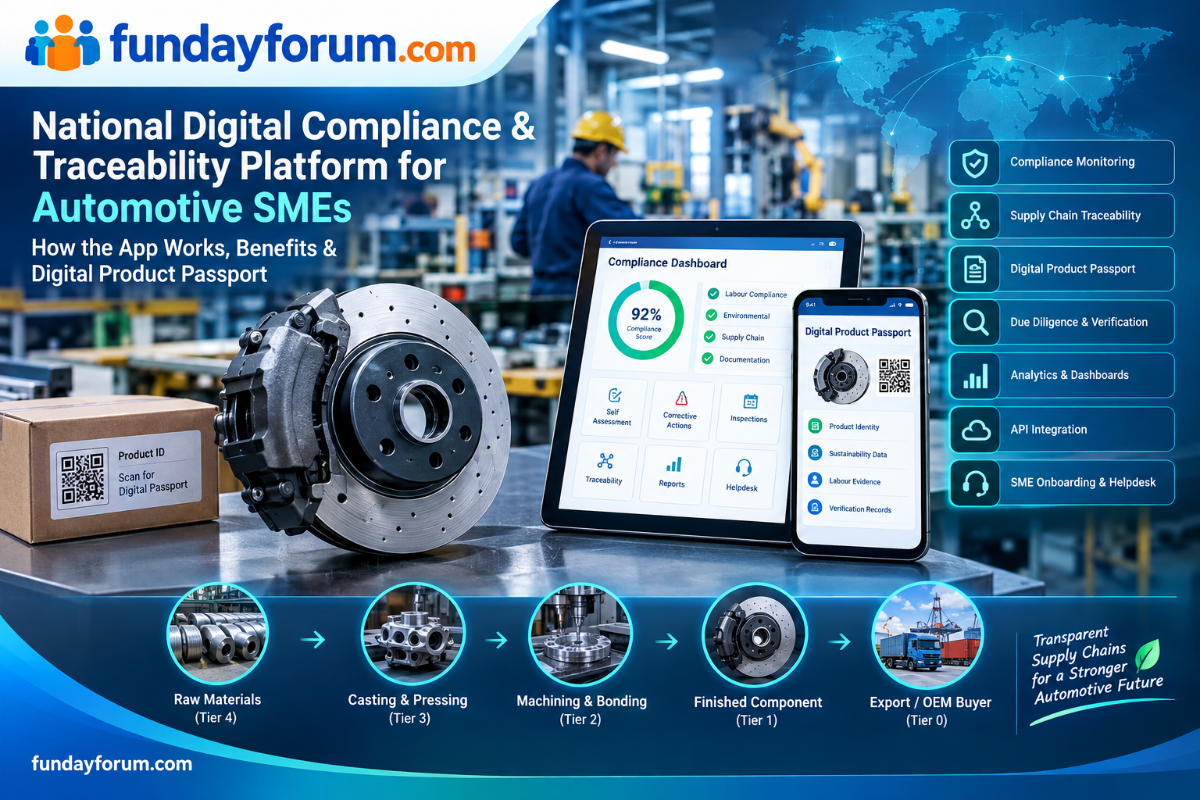
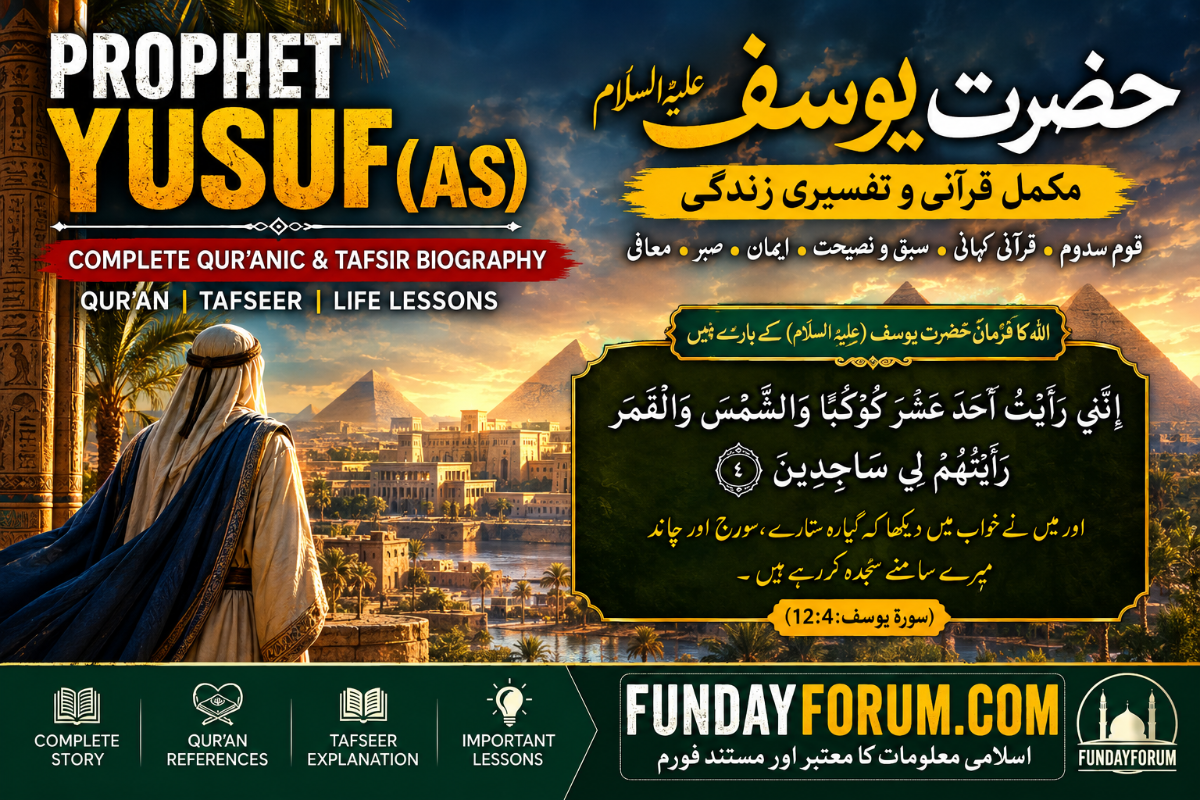

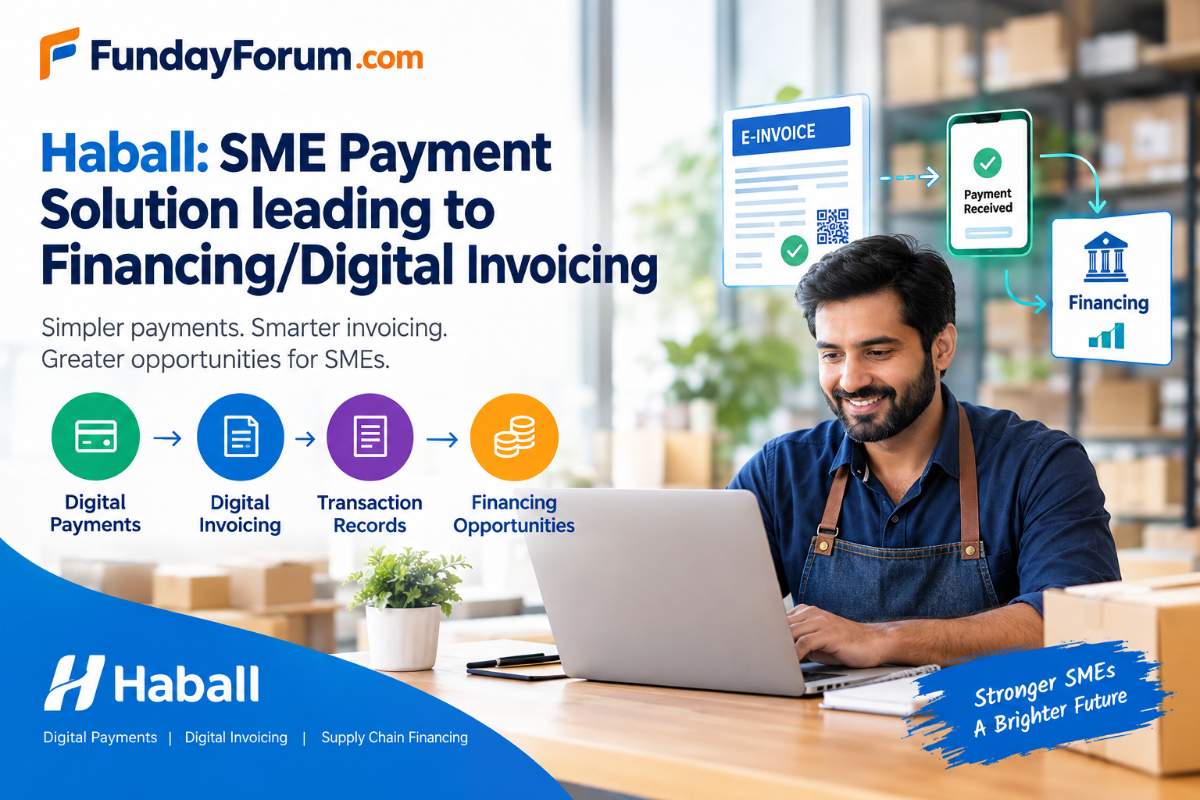






 'The Banshees of Inisherin' actor and 'The Fifty Shades of Grey' actress could be heard passionately arguing in a music video
![More information about "[IPS] News Ticker"](https://fundayforum.com/uploads/monthly_2026_05/newsticker-min.thumb.png.544d5e6b104aa08fa5f842d6771b43b1.png)











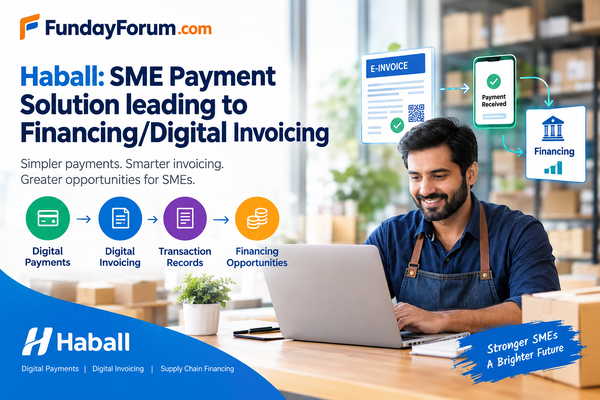







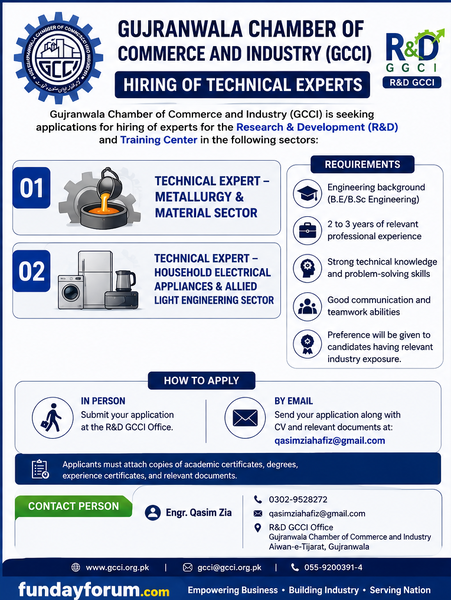
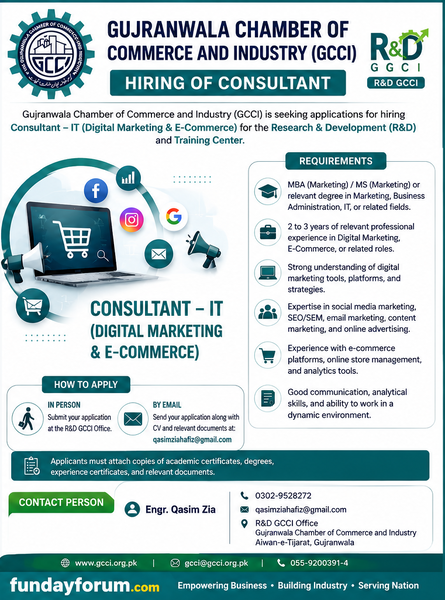
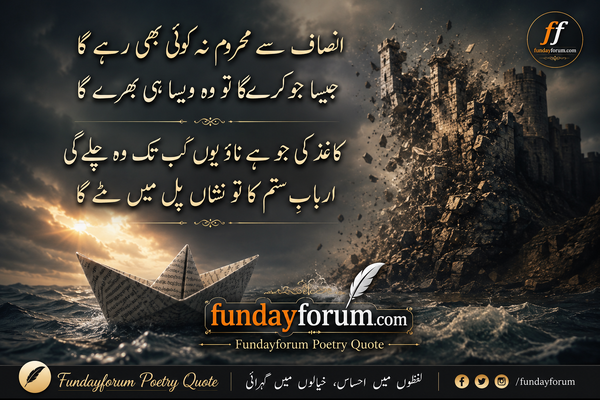
Our Picks
Top content from across the community, hand-picked by us.

iPhone 18 Pro & iPhone 18 Pro Max Launched: Full Specifications, Features, Camera, Price & Battery
Waqas Dar posted an article in Technology,
-
1
Reputation Points
- 0 replies
Picked By
Waqas Dar,
10 Best Headsets for Working From Home in 2026 – Price & Comparison Guide
Waqas Dar posted an article in Technology,
Work Smarter, Sound Clearer: 10 Best Headsets for Remote Work in 2026
Category: Technology / Home Office / Buying Guides
Year: 2026
Reading Time: 10–12 minutes
Introduction
Working from home has become a regular part of modern professional life. Whether you are attending Zoom meetings, managing customer support calls, working as a freelancer, or handling international clients, your headset plays an important role in daily productivity.
A good headset helps you communicate clearly, reduce distractions, and remain comfortable during long working hours. However, choosing the right model can be difficult because the market offers everything from affordable wired USB headsets to premium wireless devices with advanced noise cancellation.
In this guide, we explore 10 headsets worth considering for remote work in 2026, comparing their microphones, connectivity, comfort, battery life, and estimated prices.
Our focus: Practical choices for professionals who need reliable audio for meetings, customer service, online teaching, freelancing, and everyday office tasks.
Price note: Prices below are indicative US-dollar estimates, not guaranteed live retailer offers. Actual prices vary by retailer, configuration, regional availability, and promotions. Verify the latest price before purchasing.
-
1
Reputation Points
- 0 replies
Picked By
Waqas Dar,
10 Best Gaming Headsets in 2026 – Footstep Audio, Comfort & Mic Quality
Waqas Dar posted an article in Technology,
-
0
Reputation Points
- 0 replies
Picked By
Waqas Dar,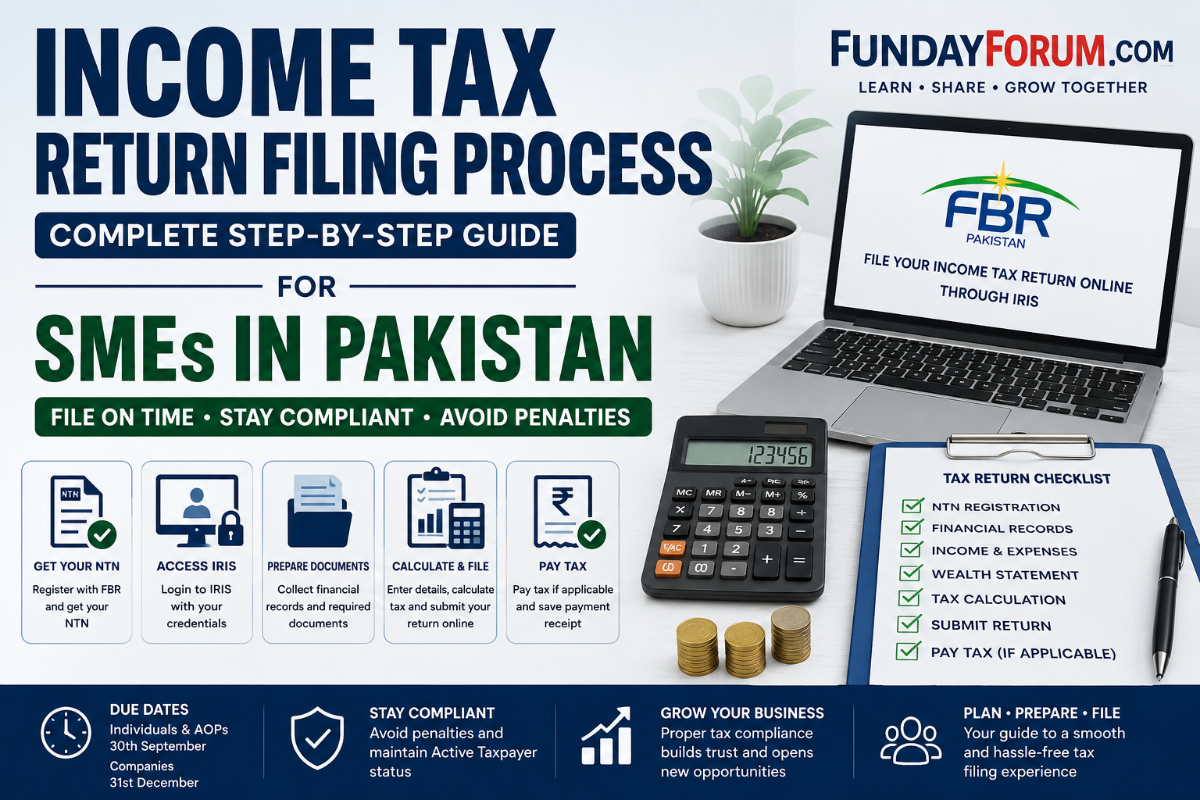
Income Tax Return Filing Process in Pakistan – Complete Step-by-Step Guide for SMEs
ADMIN posted a topic in 💼 Business, Trade, Export & Tax Hub,
Income Tax Return Filing Process in Pakistan – Complete Step-by-Step Guide for SMEs
Introduction
Filing an Income Tax Return is an important part of running a compliant business in Pakistan. Small and Medium Enterprises (SMEs), traders, manufacturers, service providers, freelancers and other businesses should maintain proper financial records and fulfill their applicable tax filing obligations.
The Federal Board of Revenue (FBR) uses the IRIS online system for income tax registration and online return filing. FBR states that e-enrollment provides the taxpayer with an NTN or registration number and access credentials for IRIS. (Federal Board of Revenue)
This guide explains the income tax return filing process for SMEs in Pakistan step by step, including registration, required documents, preparation of financial information, filing through IRIS, tax payment, record keeping and common mistakes.
1. Understand Your Business Tax Status
Before filing your return, first identify how your business is legally structured.
An SME may operate as:
Sole Proprietorship / Individual Business
Partnership / Association of Persons (AOP)
Private Limited Company
Single Member Company
Other company structures
The filing requirements and applicable return forms can differ according to the taxpayer's legal status and type of income.
-
0
Reputation Points
- 0 replies
Picked By
Waqas Dar,
Pakistanis in Birmingham UK: Community, Jobs, Events & Local Guide
Waqas Dar posted an article in General Buzz,
Birmingham is home to one of the UK's largest Pakistani communities, with Pakistani heritage playing an important role in the city's culture, food, business, education, sport and community life. From established neighbourhoods and Pakistani businesses to restaurants, mosques, community organisations and cultural events, Birmingham offers a wide range of opportunities and services for British Pakistanis, Pakistani students, families and visitors.
This guide provides useful information about Pakistanis in Birmingham, including the Pakistani community, popular areas, jobs, businesses, restaurants, events, education and practical local information.
The Pakistani Community in Birmingham
Birmingham has a long-established Pakistani community with roots stretching back several generations. According to the 2021 Census, around 195,000 people in Birmingham identified as Pakistani, representing approximately 17% of the city's population.
The community includes British-born Pakistanis as well as people who have moved to Birmingham from Pakistan and other parts of the UK.
Over the years, the Pakistani community has contributed significantly to Birmingham's economy and cultural identity. Pakistani-owned businesses can be found across retail, restaurants, professional services, transport, construction, healthcare, education and many other sectors.
The community is also closely connected through mosques, community centres, schools, sports clubs, charities, cultural organisations and local businesses.
Where Do Pakistanis Live in Birmingham?
Pakistani families live throughout Birmingham, but some neighbourhoods have particularly strong South Asian and Pakistani communities.
Sparkhill
Sparkhill is one of Birmingham's best-known South Asian neighbourhoods. The area has a large Pakistani and Muslim population and is well known for its restaurants, grocery shops, clothing stores, bakeries,
-
0
Reputation Points
- 0 replies
Picked By
Waqas Dar,

FIFA World Cup 2026 Full Fixture List – Every Match with Stadium & Timing Details
ZD Gold Fish posted an article in Sports,
🏆 FIFA World Cup 2026 – Full Group Stage Guide
Hosts: 🇺🇸 USA | 🇨🇦 Canada | 🇲🇽 Mexico
Total Teams: 48 Nations | Total Groups: 12 | Total Matches: 104
📊 Tournament Overview
Stage
Matches
Format
Group Stage
72
12 Groups (A–L)
Round of 32
16
Knockout
Round of 16
8
Knockout
Quarterfinals
4
Knockout
Semifinals
2
Knockout
Final + 3rd Place
2
Decider Matches
🌍 GROUP STAGE – VISUAL CHART (A–L)
Group
Teams
Host Cities
🔵 A
Mexico, South Africa, South Korea, Czechia
Mexico City / Guadalajara
🔴 B
Canada, Bosnia, Qatar, Switzerland
Toronto / Vancouver
🟢 C
Brazil, Morocco, Haiti, Scotland
New York / Boston
🟡 D
USA, Paraguay, Australia, Turkey
Los Angeles / Dallas
🟣 E
Germany, Curaçao, Ivory Coast, Ecuador
Houston / Atlanta
🟠 F
Netherlands, Japan, Sweden, Tunisia
San Francisco / Seattle
⚫ G
Belgium, Egypt, Iran, New Zealand
Miami / Boston
🟤 H
Spain, Cape Verde, Saudi Arabia, Uruguay
Atlanta / Kansas City
🔵 I
France, Senegal, Iraq, Norway
Houston / Dallas
🔴 J
Argentina, Algeria, Austria, Jordan
New York / Mexico City
🟢 K
Portugal, DR Congo, Uzbekistan, Colombia
Los Angeles / Guadalajara
🟡 L
England, Croatia, Ghana, Panama
Toronto / Vancouver
⚽ GROUP STAGE FORMAT (HOW IT WORKS)
✔ Each group has 4 teams
✔ Each team plays 3 matches
✔ Top 2 qualify automatically
✔ Best 3rd place teams also qualify
✔ Total group matches = 72
🏟️ HOST CITIES MAP (TOURNAMENT SPREAD)
USA
Canada
Mexico
New York, LA, Dallas, Miami, Houston, Atlanta, Seattle, San Francisco, Boston, Kansas City
Toronto, Vancouver
Mexico City, Guadalajara
✈️ FAN TRAVEL GUIDE (SMART ROUTE)
🌎 Start: Mexico City (Opening Matches)
➡️ Move: USA South (Texas, Florida)
➡️ Travel: East Coast (New York, Boston)
➡️ Then: Canada (Toronto, Vancouver)
-
1
Reputation Points
- 0 replies
Picked By
Waqas Dar,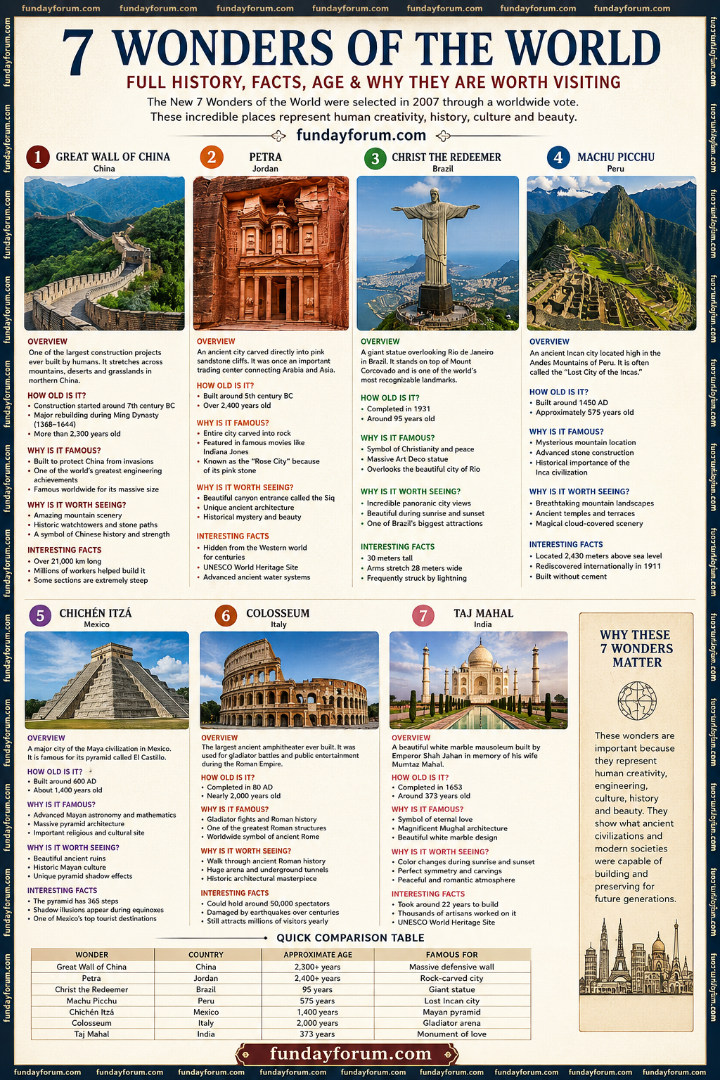
7 Wonders of the World: Full History, Facts, Age & Why They Are Worth Visiting
Sherry posted an article in General Buzz,
The New 7 Wonders of the World were selected in 2007 through a worldwide vote. These incredible places are famous for their history, architecture, beauty, and cultural importance. Millions of tourists visit them every year because they represent some of humanity’s greatest achievements.
1. Great Wall of China — China
Overview
The Great Wall of China is one of the largest construction projects ever built by humans. It stretches across mountains, deserts, and grasslands in northern China.
How Old Is It?
Construction started around the 7th century BC
Major rebuilding happened during the Ming Dynasty (1368–1644)
More than 2,300 years old
Why Is It Famous?
Built to protect China from invasions
One of the world’s greatest engineering achievements
Famous worldwide for its massive size
Why Is It Worth Seeing?
Amazing mountain scenery
Historic watchtowers and stone paths
A symbol of Chinese history and strength
Interesting Facts
Over 21,000 km long
Millions of workers helped build it
Some sections are extremely steep
2. Petra — Jordan
Overview
Petra is an ancient city carved directly into pink sandstone cliffs. It was once an important trading center connecting Arabia and Asia.
How Old Is It?
Built around the 5th century BC
Over 2,400 years old
Why Is It Famous?
Entire city carved into rock
Featured in famous movies like Indiana Jones
Known as the “Rose City” because of its pink stone
Why Is It Worth Seeing?
Beautiful canyon entrance called the Siq
Unique ancient architecture
Historical mystery and beauty
Interesting Facts
Hidden from the Western world for centuries
UNESCO World Heritage Site
Advanced ancient water systems
3. Christ the Redeemer — Brazil
Overview
Christ the Redeemer is a giant statue overlooking Rio de Janeiro in Brazil. It stands on top of Mount Corcovado and is one of the world’s most recognizable landmarks.
How Old Is It?
Completed in 1931
Around 95 years old
Why Is It Famous?
Symbol of Christianity and peace
Massive Art Deco statue
Overlooks the beautiful city of Rio
Why Is It Worth Seeing?
Incredible panoramic city views
Beautiful during sunrise and sunset
One of Brazil’s biggest attractions
Interesting Facts
30 meters tall
Arms stretch 28 meters wide
Frequently struck by lightning
4. Machu Picchu — Peru
Overview
Machu Picchu is an ancient Incan city located high in the Andes Mountains of Peru. It is often called the “Lost City of the Incas.”
How Old Is It?
Built around 1450 AD
-
0
Reputation Points
- 0 replies

Picked By
Sherry,

Upcoming Movies 2026: Top 10 Big Budget Films with Full Details, Cast & Story
Waqas Dar posted an article in Entertainment,
🎬 Top 10 Upcoming Big Budget Movies in 2026
Most Awaited Hollywood Blockbusters – Budget, Plot, Cast & Expectations
The year 2026 is expected to be one of the biggest eras in cinema history with AI-driven storytelling, multiverse expansions, superhero crossovers, and record-breaking budgets.
From Marvel to Avatar, Star Wars to Fast & Furious, the film industry is preparing next-level cinematic experiences.
🔥 Why 2026 Movies Will Be Revolutionary
🎥 Next-level CGI & AI-generated visual effects
🦸 Massive superhero crossover universes
🚀 Space, multiverse & futuristic AI stories
💰 Record-breaking production budgets
🌍 IMAX + immersive cinematic experience evolution
1. Avengers: Secret Wars (2026)
Estimated Budget: $400M – $500M
Plot: After multiverse collapse, survivors are forced into Battleworld ruled by Beyonder where multiple universes collide and heroes must fight alternate versions of themselves.
Cast: Robert Downey Jr., Chris Hemsworth, Tom Holland, Benedict Cumberbatch, Ryan Reynolds, Hugh Jackman, Brie Larson, Mark Ruffalo
Hype: Biggest Marvel crossover event ever created in cinematic history.
2. Avatar 4
Estimated Budget: $350M+
Plot: Jake Sully explores deep ocean regions of Pandora where an ancient Na’vi civilization holds secrets that could reshape planetary balance forever.
Cast: Sam Worthington, Zoe Saldaña, Sigourney Weaver, Kate Winslet, Stephen Lang
Hype: Revolutionary CGI underwater world-building experience.
3. The Batman Part II
Estimated Budget: $250M
Plot: Batman investigates Gotham’s hidden elite society while facing psychological enemies manipulating fear, identity, and corruption.
Cast: Robert Pattinson, Zoë Kravitz, Colin Farrell, Barry Keoghan, Andy Serkis
Hype: Dark detective-style Gotham thriller with mature storytelling.
⚡ Best Action Movie
Mission Impossible 9
Real stunts + spy thriller intensity
read full article
-
0
Reputation Points
- 0 replies
Picked By
Waqas Dar,
Sports in 2026: Technology, Performance, and the Future of Competition
Waqas Dar posted an article in Sports,
Sports in 2026 are more advanced than ever due to technology and data analytics improving player performance.
Technology in Sports
AI systems analyze player performance, track movement, and provide real-time statistics during matches.
Cricket
Cricket remains highly popular, especially in Pakistan, India, and Australia. Teams use data-driven strategies for selection and planning.
Football
Football continues to dominate globally with leagues like EPL, La Liga, and UEFA Champions League attracting massive audiences.
Esports
Esports is growing rapidly, with tournaments offering large prize pools and millions of viewers worldwide.
Conclusion
Sports in 2026 combine skill, science, and technology to create a new era of competition.
-
1
Reputation Points
- 0 replies
Picked By
Sherry,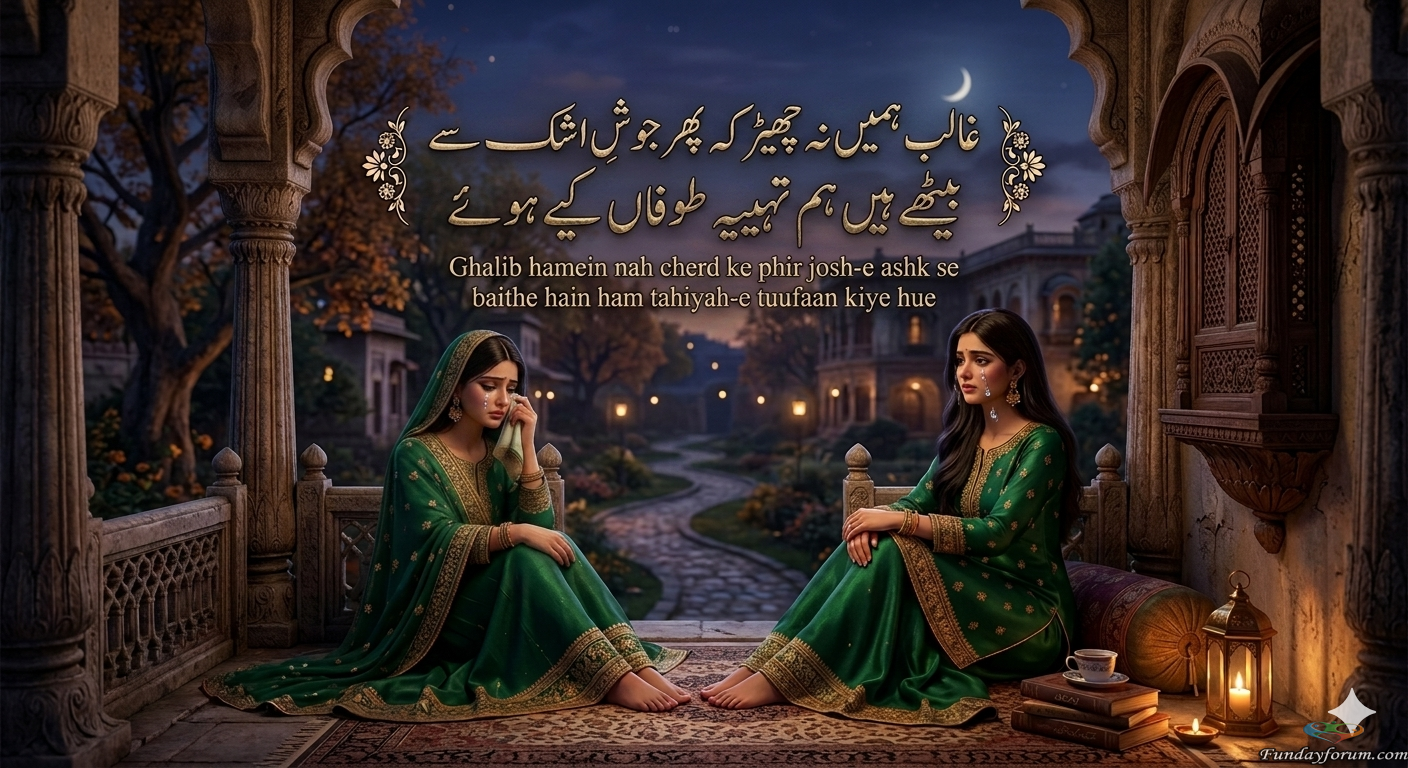
ghalib hamein nah cherd ke phir josh-e ashk se
Waqas Dar posted a gallery image in Urdu Poetry Images,
بیٹھے ہیں ہم تہییۂ طوفاں کیے ہوئے
ghalib hamein nah cherd ke phir josh-e ashk se
baithe hain ham tahiyah-e tuufaan kiye hue
-
1
Reputation Points
- 0 replies
Picked By
Waqas Dar,
Baili Rajpootaan ki Malika – Complete Urdu Novel by Nimra Ahmed
Waqas Dar posted a file in Urdu Afsana & Novels Hub,
✍️ Written By: Nimra Ahmed
📌 Document Information
Novel Name: Baili Rajpootaan ki Malika
Writer: Nimra Ahmed
Original Title: Baili Rajpootaan ki Malika by Nimra Ahmed
Copyright: © All Rights Reserved
🌹 About the Writer
Nimra Ahmed is one of Pakistan’s most celebrated Urdu novelists, known for her captivating storytelling, deep emotions, strong characters, and memorable plots. Her writing style beautifully combines romance, mystery, spirituality, suspense, and meaningful life lessons.
Her famous works include: Mushaf, Jannat Kay Pattay, Namal, Haalim, and Baili Rajpootaan ki Malika.
📖 About the Novel
Baili Rajpootaan ki Malika is a beautifully written Urdu novel admired for its emotional depth, memorable storytelling, and powerful atmosphere. The novel presents a rich tale filled with love, sacrifice, pride, family honor, mystery, and unforgettable relationships.
Readers especially appreciate its:
❤️ Emotional storytelling
👑 Strong memorable characters
🌙 Mystery and suspense
🗡 Themes of sacrifice and loyalty
📚 Classic Urdu literary beauty
✨ Deep impact on readers’ hearts
⭐ Final Words
A timeless Urdu masterpiece for readers who enjoy meaningful stories full of emotion, mystery, and unforgettable characters.
❝ ایک خوبصورت داستان جو دلوں میں ہمیشہ زندہ رہتی ہے ❞
-
2
Reputation Points
- 0 replies
Picked By
Waqas Dar,
Destruction and hope Prophet Lut's warning
Sherry posted a gallery image in Islamic Pictures,
ENGLISH
Prophet Lut (AS) was a great messenger of Allah who was sent to his people to stop them from evil deeds. His people were the inhabitants of Sodom and Gomorrah, who were openly involved in sins and immoral behavior. Prophet Lut (AS) repeatedly advised them to fear Allah and follow the straight path, but they rejected his message and mocked him.
Allah sent angels in human form to guide and test them. When the people intended evil, the decision of Allah’s punishment was finalized. Prophet Lut (AS) was commanded to leave the city at night with his family. Then Allah turned their town upside down and rained stones upon them.
This incident teaches us that disobedience to Allah and immoral behavior always lead to destruction, while those who follow the truth remain under Allah’s protection.
URDU
حضرت لوط علیہ السلام اللہ کے عظیم پیغمبر تھے جو اپنی قوم کو برائیوں سے روکنے کے لیے بھیجے گئے۔ ان کی قوم سدوم اور عمورہ کے لوگ تھے جو کھلم کھلا گناہوں اور بے حیائی میں مبتلا تھے۔ حضرت لوط علیہ السلام نے انہیں بار بار سمجھایا کہ اللہ سے ڈرو اور سیدھا راستہ اختیار کرو، لیکن انہوں نے انکار کیا اور مذاق اڑایا۔
اللہ تعالیٰ نے ان کی ہدایت کے لیے فرشتے بھیجے جو انسانی شکل میں آئے۔ جب قوم نے برائی کا ارادہ کیا تو اللہ کا فیصلہ آ گیا۔ حضرت لوط علیہ السلام کو حکم دیا گیا کہ وہ اپنے گھر والوں کے ساتھ رات کے وقت شہر چھوڑ دیں۔ پھر اللہ نے ان کی بستی کو الٹ دیا اور ان پر پتھروں کی بارش برسائی۔
یہ واقعہ ہمیں یہ سبق دیتا ہے کہ اللہ کی نافرمانی اور برائی کا انجام ہمیشہ ہلاکت ہوتا ہے، جبکہ حق پر چلنے والے ہمیشہ اللہ کی حفاظت میں رہتے ہیں۔
ROMAN URDU
Hazrat Lut (AS) Allah ke azeem paighambar thay jo apni qoum ko buraiyon se rokne ke liye bheje gaye. Unki qoum Sodom aur Gomorrah ke log thay jo khullam khulla gunahon aur be-hayai mein mubtala thay. Hazrat Lut (AS) ne unhein baar baar samjhaya ke Allah se daro aur seedha rasta ikhtiyar karo, lekin unhon ne inkaar kiya aur mazaak uraya.
-
1
Reputation Points
- 0 replies
Picked By
Sherry,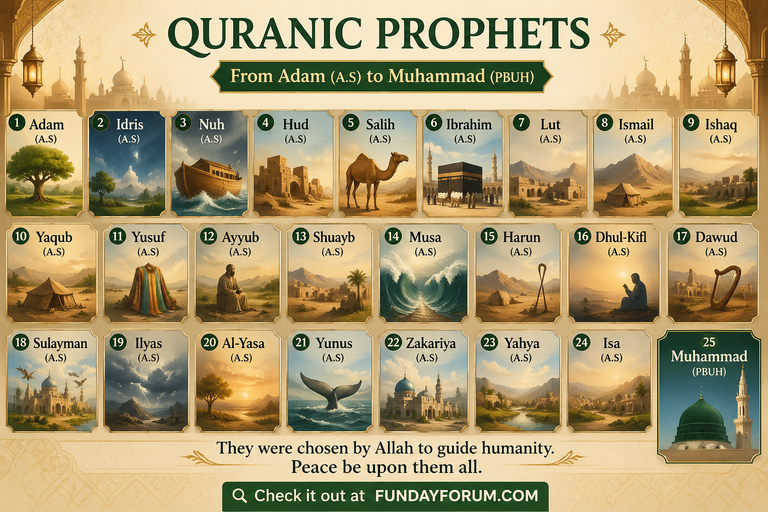
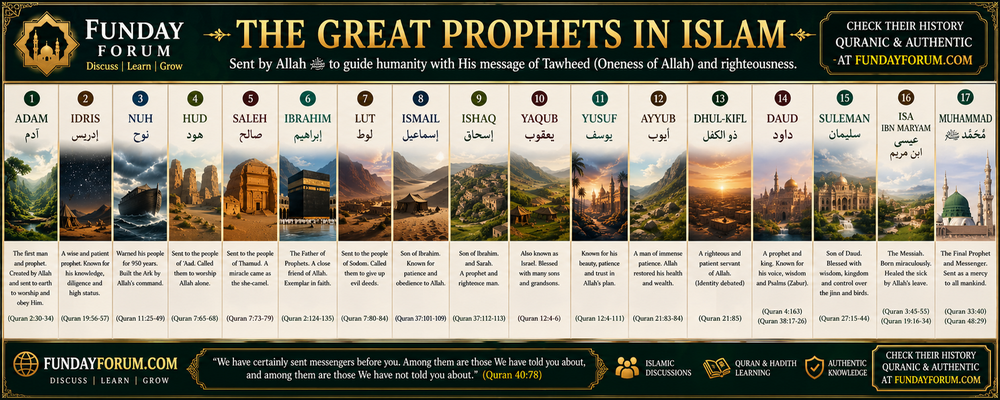
25 Prophets in Islam Timeline – From Adam to Muhammad ﷺ
Sherry posted a topic in 25 Prophets in Quran Biography & History,
📜 25 Prophets in Islam – Quranic Biography Timeline
📌 1. Hazrat Adam (AS)
EN: First human and first Prophet of Allah.
UR: پہلے انسان اور اللہ کے پہلے نبی۔
BOOK: Suhuf (Scrolls of Adam)
📌 2. Hazrat Idris (AS)
EN: Known for knowledge, wisdom, and patience.
UR: علم اور حکمت والے نبی۔
BOOK: Suhuf (mentioned in tradition)
📌 3. Hazrat Nuh (AS)
EN: Built the Ark and survived the flood.
UR: کشتی بنانے اور طوفان سے بچنے والے نبی۔
BOOK: Not mentioned anywhere or any proof or reference
📌 4. Hazrat Hud (AS)
EN: Sent to the people of Aad.
UR: قوم عاد کی طرف بھیجے گئے نبی۔
BOOK: Not mentioned anywhere or any proof or reference
📌 23. Hazrat Isa (AS)
EN: Born to Maryam (AS), given Injil.
UR: حضرت مریم کے بیٹے اور انجیل والے نبی۔
BOOK: Injil (Gospel)
📌 24. Hazrat Muhammad ﷺ
EN: Final Prophet of Allah.
UR: آخری نبی ﷺ۔
BOOK: Holy Quran
📖 🌙 Final Dua from Surah Al-Anbiya
“رَبِّ لَا تَذَرْنِي فَرْدًا وَأَنتَ خَيْرُ الْوَارِثِينَ”
EN: “My Lord, do not leave me alone, and You are the best of inheritors.”
UR: اے میرے رب! مجھے اکیلا نہ چھوڑ اور تو سب سے بہتر وارث ہے۔ (سورۃ الانبیاء 21:89)
“رَبِّ هَبْ لِي حُكْمًا وَأَلْحِقْنِي بِالصَّالِحِينَ”
EN: “My Lord, grant me wisdom and join me with the righteous.”
UR: اے میرے رب! مجھے حکمت عطا فرما اور مجھے نیک لوگوں میں شامل فرما۔ (سورۃ الانبیاء 21:83)
-
1
Reputation Points
- 1 reply
Picked By
Sherry,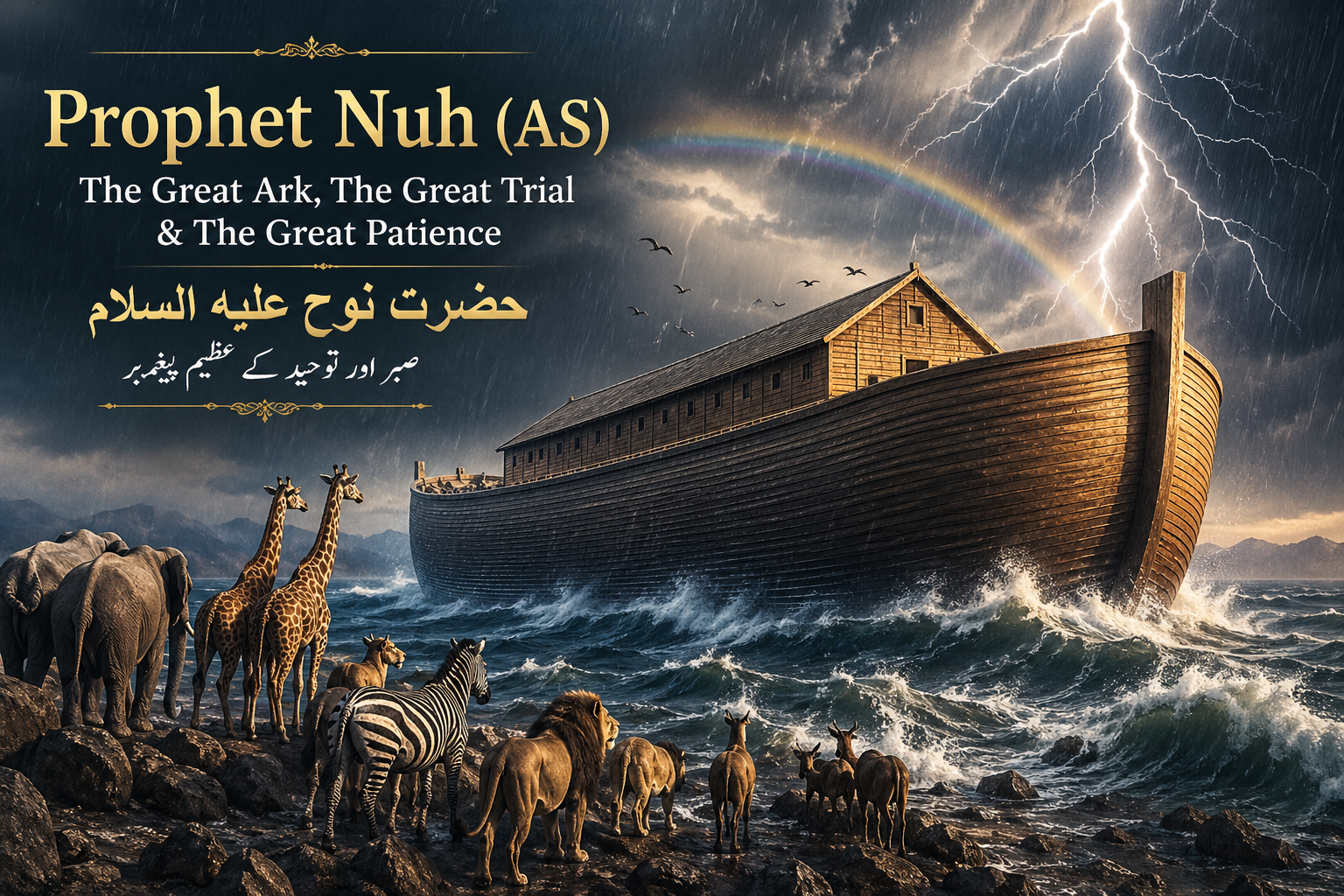
Prophet Nuh (AS) Biography in Islam – Full Story from Quran, Sahih References & Moral Lessons
Sherry posted a topic in 25 Prophets in Quran Biography & History,
Prophet Adam (AS) ➝ Prophet Idris (AS) ➝ Prophet Nuh (AS)
حضرت نوح علیہ السلام – صبر اور توحید کے عظیم پیغمبر
🧭 1. Introduction
Prophet Nuh (AS) was one of the earliest messengers of Allah who دعوت (called) his people to Tawheed for nearly 950 years.
حضرت نوح علیہ السلام اللہ کے ابتدائی انبیاء میں سے ہیں جنہوں نے اپنی قوم کو توحید کی دعوت دی۔
📖 2. Qur’anic Evidence
Surah Al-Ankabut 29:14
🧍 3. His People
Worshipped idols
Rejected him for centuries
Only a small group believed
🚢 4. Ark Command
Surah Hud 11:37
🌊 5. The Great Flood
Surah Al-Qamar 54:11
🐪 6. Animals in the Ark
Surah Hud 11:40
👨👦 7. His Sons
One son refused faith and drowned. Qur’an does not mention his name.
👩 8. His Wife
Surah At-Tahrim 66:10
🤲 9. Famous Duas of Nuh (AS)
✔ Main Dua:
میں مغلوب ہوں، پس تو میری مدد فرما۔
✔ Forgiveness Dua:
✔ Additional Authentic-Style Duas:
اے میرے رب! مجھے برکت والی جگہ پر اتار۔
اے میرے رب! زمین پر کسی کافر کو باقی نہ چھوڑ۔
🌊 10. After the Flood
Believers survived
Disbelievers were destroyed
Ark rested on Mount Judi
🤲 11. Lessons
✔ Patience in hardship
✔ Truth is not majority-based
✔ Family is not guarantee of guidance
✔ Allah’s justice is perfect
📖 12. Short Story (English + Urdu)
English: Prophet Nuh (AS) spent centuries calling his people to Allah. They mocked him, but he continued with patience. Allah commanded him to build a great Ark. When the flood came, believers were saved and disbelievers destroyed, including his own son who refused faith.
اردو: حضرت نوح علیہ السلام نے سینکڑوں سال اپنی قوم کو توحید کی دعوت دی۔ جب انہوں نے انکار کیا تو اللہ نے کشتی بنانے کا حکم دیا۔ پھر طوفان آیا اور ایمان والوں کو نجات ملی جبکہ انکار کرنے والے سب ہلاک ہو گئے۔
## Conclusion
This article is based only on authentic Qur’an and Sahih Hadith sources.
یہ مضمون صرف قرآن مجید اور صحیح احادیث پر مبنی ہے۔
-
1
Reputation Points
- 0 replies
Picked By
Sherry,
Between The Lines
Sherry posted a gallery image in Urdu Poetry Images,
-
0
Reputation Points
- 0 replies
Picked By
Sherry,
Words I Never Said
Sherry posted a gallery image in Urdu Poetry Images,
-
0
Reputation Points
- 0 replies
Picked By
Sherry,
PSL 2026 Supporting Vote Poll – Who Will Win Pakistan Super League 2026?
ADMIN posted a topic in Polling Both,
Welcome to the official PSL 2026 discussion thread! Vote for your favorite team, discuss squads, predictions, and follow live updates of Pakistan Super League 2026.
🏆 PSL 2026 Teams & Squads
-
2
Reputation Points
- 2 replies
Picked By
ADMIN,
IPS v5 Share Service Application with easy sharing features
ADMIN posted a file in IPS v5 Applications & Plugins,
Add More Sharing Power to Your IPS Community
Enhance your IPS v5 community with additional share service buttons including Telegram, Viber, and WhatsApp. This application allows users to quickly share topics, posts, and content across popular messaging platforms with just one click.
Designed for modern communities, this plugin improves user engagement and makes content sharing faster and more accessible across multiple platforms.
Key Features
✅ Additional Share Buttons
Adds new sharing options directly into IPS share services:
Telegram
Viber
Twitter (X)
✅ Share Anywhere in Community
Users can share content from:
Topics
Posts
Forums
Blogs
Gallery items
Pages content
Any share-enabled area in IPS v5
✅ One-Click Sharing
Simple and fast sharing experience that works on both desktop and mobile devices.
✅ Fully Compatible with IPS v5
Built specifically for Invision Community Suite v5, ensuring smooth integration and reliable performance.
✅ Mobile-Friendly Design
Optimized for smartphones so users can share content easily through messaging apps.
How It Works
Once installed, the application automatically adds new sharing buttons to the IPS sharing menu.
When users create or view:
Topics
Replies
Blog posts
Gallery images
Pages content
They can instantly share content via:
Telegram
Viber
Twitter (X)
This helps increase traffic and user interaction across social and messaging platforms.
Benefits for Your Community
📈 Increase content reach
💬 Improve community engagement
📱 Enable fast mobile sharing
🚀 Boost visibility across messaging apps
🔗 Make sharing simple for users
Application Details
Application Name: IPS v5 Share Service
Version: IPS v5 Compatible
Type: IPS Application
Supported Platforms:
Telegram
Viber
Twitter (X)
Free Open Source Download Reference (SEO Section)
You can download the IPS v5 Share Service Application – Telegram, Viber & WhatsApp Integration as a free open source file from the official resource page below:
👉 Download Link:
YOUR-DOWNLOAD-LINK-HERE
This IPS v5 free open source application allows your community users to share topics, posts, and content instantly using Telegram, Viber, WhatsApp, Facebook, LinkedIn, Twitter (X), Pinterest, and Email.
-
0
Reputation Points
- 0 replies
Picked By
ADMIN,
IPS Community Suite v5 Main Suite with All Apps Free & Open Source Download
ADMIN posted a file in IPS v5 Open & Free Resources,
This package contains the Main Suite Core Files required to install and run the IPS Community system.
Version 5 introduces major improvements in performance, usability, security, and customization tools, making it one of the most advanced community platforms available.
This package contains the Main Suite Core Files of IPS Community Suite version 5.0.18.
It includes the core system required to build and manage modern online communities.
With IPS Community 5, administrators benefit from enhanced performance, improved usability, modern design tools, and powerful engagement features.
This main suite supports:
🎨 New Theme Editor (Major Upgrade)
A completely redesigned theme editor offering a zero-code customization system with live visual previews.
✏️ Editor Improvements (TipTap v3)
✔ Faster editing performance
✔ LaTeX support added
✔ Improved drag-and-drop content
✔ Better handling of quotes, code blocks, and images
🤖 AI & Automation Tools
✔ AI-powered content tools
✔ Automated member management
✔ Engagement features like Quests
✔ Smart workflow automation
📄 Enhanced Page Builder
Improved layout system with flexible design options.
📱 Mobile-First Improvements
✔ Progressive Web App (PWA) support
✔ Improved mobile menus
✔ Enhanced push notifications
🛡️ Security Enhancements
✔ Cloudflare Turnstile integration
✔ Improved anti-spam protection
✔ Better security validation
PHP: 8.1 or higher
Recommended: PHP 8.2 or PHP 8.3
Database:
✔ MySQL 5.7.8+
✔ MariaDB 10.3+
Required Extensions:
✔ mysql
✔ gd or imagick
✔ curl
✔ mbstring
✔ finfo
Release Version: 5.0.18
Release Type: Security Update
Fixed Issues:
✔ Fixed sanitising issue affecting club names
✔ Fixed sanitisation bypass in bulk mail creation
✔ Improved validation routines
✔ Strengthened messaging security
✔ Enhanced system input sanitization
✔ Improved overall platform security stability
ips 5.0.18 main suite
ips community suite 5 download
invision community 5 core files
ips main suite download
ips v5 core package
ips forum software
-
0
Reputation Points
- 0 replies
Picked By
ADMIN,
امریکہ کے کھوکھلے وعدوں پر ایران آبنائے ہرمز نہیں کھولے گا
evanmurray posted a blog entry in Urdu Headlines News,
ایرانی ذرائع کے حوالے سے مزید بتایا گیا ہے کہ اگر صورتحال مزید خراب ہوئی تو بحیرا احمر میں باب المندب کو بھی بند کر دیا جائے گا،ایرانی ذرائع کے مطابق پاکستان کی جانب سے امریکہ کو مسلسل ثالثی کے پیغامات بھجوائے جا رہے ہیں لیکن اس امریکی رویے میں کوئی تبدیلی دکھائی نہیں دے رہی ہے۔
ایرانی حکام کے ذرائع کے مطابق اگر امریکہ نے پاور پلانٹس پر حملے کی غلطی کی تو پوار خطہ ہی تاریکی میں ڈوب جائے گا۔
-
1
Reputation Points
- 0 replies
Picked By
Waqas Dar,یار کو دیدۂ خوں بار سے اوجھل کر کے
jannat malik posted a topic in All Shayari (Urdu, Roman Urdu & English),
مجھ کو حالات نے مارا ہے مکمل کر کے
جانب شہر فقیروں کی طرح کوہ گراں
پھینک دیتا ہے بخارات کو بادل کر کے
جل اٹھیں روح کے گھاؤ تو چھڑک دیتا ہوں
چاندنی میں تری یادوں کی مہک حل کر کے
دل وہ مجذوب مغنی کہ جلا دیتا ہے
ایک ہی آہ سے ہر خواب کو جل تھل کر کے
جانے کس لمحۂ وحشی کی طلب ہے کہ فلک
دیکھنا چاہے مرے شہر کو جنگل کر کے
یعنی ترتیب کرم کا بھی سلیقہ تھا اسے
اس نے پتھر بھی اٹھایا مجھے پاگل کر کے
عید کا دن ہے سو کمرے میں پڑا ہوں اسلمؔ
اپنے دروازے کو باہر سے مقفل کر کے
-
1
Reputation Points
- 0 replies
Picked By
Waqas Dar,-
Member Statistics
8,035
Total Members9,062
Most Online
-
Recently Browsing 0 members
- No registered users viewing this page.
-
Who's Online 203 all people including: 0 Members, 0 Anonymous, 203 Guests (See full list)
- There are no registered users currently online
-
Recent Status Updates
-
-
-
· 0 replies
دنیا میں ہر چیز پیچھے رہ جاتی ہے اگر کچھ ساتھ رہتا ہے تو وہ اللہ ہے...... جو ہماری اور صرف ایک پکار پر جواب دیتا ہے بے شک وہ واحد و یکتا ہم گنہگاروں سے بھی ستر ماؤں جتنا پیار کرتا ہے.
-
· 0 replies
وہ اک پل ہی کافی ہے!!💕
_______جس میں تم شامل ہو!!💕اس پل سے زیادہ تو_____!!💕
______زندگی کی خواہش ہی نہیں مجھے!!💕 -
-
-
Members
-