
LIVE UPDATES
- 📢 Welcome to FundayForum – Explore Trending Topics
- 🌟 Discover What’s Trending Today
- Megyn Kelly reopens old celebrity feuds with blunt new claims
- Meghan's father Thomas Markle Sr confesses: ‘Willing to speak with police'
- In letter to Punjab CM, Hina Javed's family seeks judicial probe into murder case
- Lewis Hamilton tries hard to win over Kim Kardashian's kids
- What happened in Palace when Meghan learned father's allegations: Revealed
- The cold war's unfinished business
- Megan Fox's calculated reaction to MGK, Dakota Johnson's dating laid bare
- Obama tears into Trump over corruption, Iran war and 'tacky' White House makeover
- Thousands rally against Netanyahu ahead of vote, demand inquiry into October 7 failures
- Jenna Ortega reveals how early fame changed her view of boundaries


Narmeen Dar
-
Posts
4 -
Joined
-
Last visited
-
Days Won
1
Content Type
Profiles
Events
Forums
Gallery
Blogs
Downloads
Articles
Page News
Release Notes
Store
Everything posted by Narmeen Dar
-
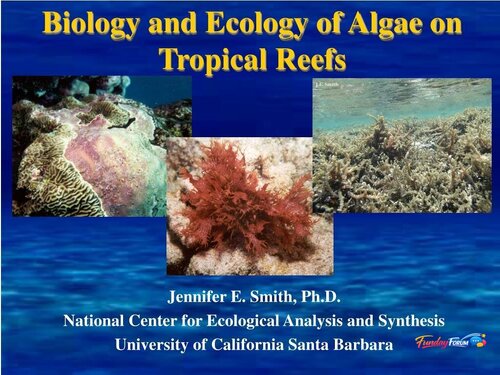
 Biochemistry and Ecology of Algae – PowerPoint Presentation PPTX View File Biochemistry and Ecology of Algae – PPT Presentation Biochemistry and Ecology of Algae is an important topic in biological sciences that explains both the internal chemical processes of algae and their role in the environment. This presentation covers the structure, functions, and ecological importance of algae in aquatic and terrestrial ecosystems. Algae are simple, plant-like organisms that can be found in freshwater, marine, and even moist terrestrial environments. They play a crucial role in maintaining ecological balance by producing oxygen and serving as a primary food source in aquatic food chains. Biochemistry of Algae The biochemistry of algae focuses on the internal chemical processes and compounds that support their life functions. Algae contain chlorophyll and other pigments that help in photosynthesis, which is the process of converting sunlight into energy. Photosynthesis and energy production Chlorophyll and accessory pigments (carotenoids, phycobilins) Protein synthesis and enzyme activity Carbohydrate storage (starch and polysaccharides) Lipid production and fatty acids Cellular respiration and metabolism These biochemical processes help algae survive in different environmental conditions and contribute to oxygen production on Earth. Ecology of Algae The ecology of algae studies how algae interact with their environment and other living organisms. Algae are essential components of aquatic ecosystems and play a major role in energy flow and nutrient cycling. Role in aquatic ecosystems (freshwater and marine) Primary producers in food chains Oxygen production and carbon dioxide absorption Relationship with other organisms (symbiosis) Impact of pollution and climate change Algal blooms and environmental effects Algae are also used as indicators of water quality and environmental health. Importance of Algae Major oxygen producers on Earth Foundation of aquatic food chains Used in biotechnology and medicine Source of biofuels and industrial products Environmental monitoring and research Applications of Algae Study Understanding algae is important in fields like environmental science, agriculture, biotechnology, and marine biology. Algae are used in fertilizers, food supplements, pharmaceuticals, and even renewable energy research. Conclusion Biochemistry and Ecology of Algae is a key subject that connects biological chemistry with environmental science. It helps us understand how algae function internally and how they contribute to the ecosystem. This topic is highly useful for students preparing PPT presentations in biology and environmental science. Download or use this content for your PPTX presentation on Biochemistry and Ecology of Algae. Submitter Narmeen Dar Submitted 08/15/2018 Category Educational & General Books Book is About It explains how algae work inside their bodies (biochemistry) and how they live and interact with the environment (ecology).
 -
17 downloads
Biochemistry and Ecology of Algae – PPT Presentation Biochemistry and Ecology of Algae is an important topic in biological sciences that explains both the internal chemical processes of algae and their role in the environment. This presentation covers the structure, functions, and ecological importance of algae in aquatic and terrestrial ecosystems. Algae are simple, plant-like organisms that can be found in freshwater, marine, and even moist terrestrial environments. They play a crucial role in maintaining ecological balance by producing oxygen and serving as a primary food source in aquatic food chains. Biochemistry of Algae The biochemistry of algae focuses on the internal chemical processes and compounds that support their life functions. Algae contain chlorophyll and other pigments that help in photosynthesis, which is the process of converting sunlight into energy. Photosynthesis and energy production Chlorophyll and accessory pigments (carotenoids, phycobilins) Protein synthesis and enzyme activity Carbohydrate storage (starch and polysaccharides) Lipid production and fatty acids Cellular respiration and metabolism These biochemical processes help algae survive in different environmental conditions and contribute to oxygen production on Earth. Ecology of Algae The ecology of algae studies how algae interact with their environment and other living organisms. Algae are essential components of aquatic ecosystems and play a major role in energy flow and nutrient cycling. Role in aquatic ecosystems (freshwater and marine) Primary producers in food chains Oxygen production and carbon dioxide absorption Relationship with other organisms (symbiosis) Impact of pollution and climate change Algal blooms and environmental effects Algae are also used as indicators of water quality and environmental health. Importance of Algae Major oxygen producers on Earth Foundation of aquatic food chains Used in biotechnology and medicine Source of biofuels and industrial products Environmental monitoring and research Applications of Algae Study Understanding algae is important in fields like environmental science, agriculture, biotechnology, and marine biology. Algae are used in fertilizers, food supplements, pharmaceuticals, and even renewable energy research. Conclusion Biochemistry and Ecology of Algae is a key subject that connects biological chemistry with environmental science. It helps us understand how algae function internally and how they contribute to the ecosystem. This topic is highly useful for students preparing PPT presentations in biology and environmental science. Download or use this content for your PPTX presentation on Biochemistry and Ecology of Algae.Free
-
Recently Browsing 0 members
- No registered users viewing this page.