

About This File
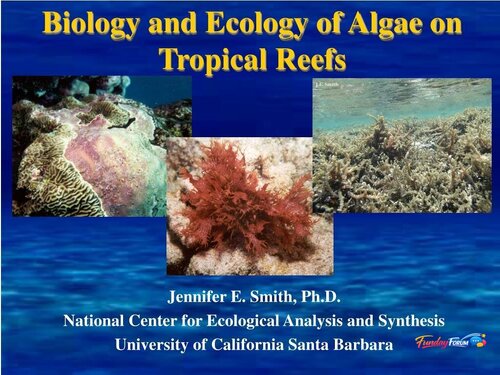
Biochemistry and Ecology of Algae – PPT Presentation
Biochemistry and Ecology of Algae is an important topic in biological sciences that explains both the internal chemical processes of algae and their role in the environment. This presentation covers the structure, functions, and ecological importance of algae in aquatic and terrestrial ecosystems.
Algae are simple, plant-like organisms that can be found in freshwater, marine, and even moist terrestrial environments. They play a crucial role in maintaining ecological balance by producing oxygen and serving as a primary food source in aquatic food chains.
Biochemistry of Algae
The biochemistry of algae focuses on the internal chemical processes and compounds that support their life functions. Algae contain chlorophyll and other pigments that help in photosynthesis, which is the process of converting sunlight into energy.
- Photosynthesis and energy production
- Chlorophyll and accessory pigments (carotenoids, phycobilins)
- Protein synthesis and enzyme activity
- Carbohydrate storage (starch and polysaccharides)
- Lipid production and fatty acids
- Cellular respiration and metabolism
These biochemical processes help algae survive in different environmental conditions and contribute to oxygen production on Earth.
Ecology of Algae
The ecology of algae studies how algae interact with their environment and other living organisms. Algae are essential components of aquatic ecosystems and play a major role in energy flow and nutrient cycling.
- Role in aquatic ecosystems (freshwater and marine)
- Primary producers in food chains
- Oxygen production and carbon dioxide absorption
- Relationship with other organisms (symbiosis)
- Impact of pollution and climate change
- Algal blooms and environmental effects
Algae are also used as indicators of water quality and environmental health.
Importance of Algae
- Major oxygen producers on Earth
- Foundation of aquatic food chains
- Used in biotechnology and medicine
- Source of biofuels and industrial products
- Environmental monitoring and research
Applications of Algae Study
Understanding algae is important in fields like environmental science, agriculture, biotechnology, and marine biology. Algae are used in fertilizers, food supplements, pharmaceuticals, and even renewable energy research.
Conclusion
Biochemistry and Ecology of Algae is a key subject that connects biological chemistry with environmental science. It helps us understand how algae function internally and how they contribute to the ecosystem. This topic is highly useful for students preparing PPT presentations in biology and environmental science.
Download or use this content for your PPTX presentation on Biochemistry and Ecology of Algae.

.thumb.png.ea12d62fcb43a79b1d7a7a4664107cbc.png)
Recommended Comments
There are no comments to display.
Join the conversation
You are posting as a guest. If you have an account, sign in now to post with your account.
Note: Your post will require moderator approval before it will be visible.