
LIVE UPDATES
- 📢 Welcome to FundayForum – Explore Trending Topics
- 🌟 Discover What’s Trending Today
- Obama tears into Trump over corruption, Iran war and 'tacky' White House makeover
- Thousands rally against Netanyahu ahead of vote, demand inquiry into October 7 failures
- Jenna Ortega reveals how early fame changed her view of boundaries
- New York Catholic Church body agrees to pay over $800m to clergy abuse victims
- Lady Gaga's pal reveals why she'll make a wonderful mum
- Pedro Pascal opens up about taking a lot of rejection before Hollywood fame
- Six Flags to add seat belts to Goliath and other coasters after fatal ejection
- ‘Clayface' rules weekend box office as another film expands its reach
- 'East of Eden' marks new milestone in second week after release
- Kim Kardashian ‘furious' after Paris Hilton refuses to join new biography

Narmeen Dar
-
Posts
4 -
Joined
-
Last visited
-
Days Won
1
Content Type
Profiles
Events
Forums
Gallery
Blogs
Downloads
Articles
Page News
Release Notes
Store
Files posted by Narmeen Dar
-
Free
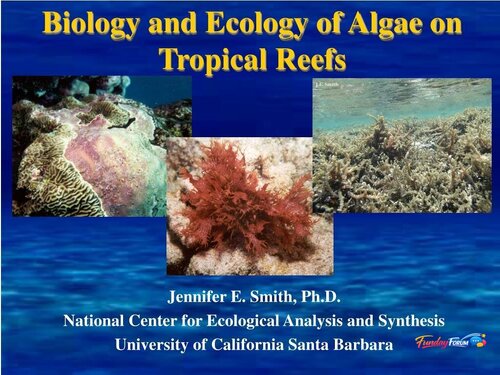
pptx file Biochemistry and Ecology of Algae – PowerPoint Presentation PPTX
By Narmeen Dar in Educational & General Books
Biochemistry and Ecology of Algae – PPT Presentation
Biochemistry and Ecology of Algae is an important topic in biological sciences that explains both the internal chemical processes of algae and their role in the environment. This presentation covers the structure, functions, and ecological importance of algae in aquatic and terrestrial ecosystems.
Algae are simple, plant-like organisms that can be found in freshwater, marine, and even moist terrestrial environments. They play a crucial role in maintaining ecological balance by producing oxygen and serving as a primary food source in aquatic food chains.
Biochemistry of Algae
The biochemistry of algae focuses on the internal chemical processes and compounds that support their life functions. Algae contain chlorophyll and other pigments that help in photosynthesis, which is the process of converting sunlight into energy.
Photosynthesis and energy production Chlorophyll and accessory pigments (carotenoids, phycobilins) Protein synthesis and enzyme activity Carbohydrate storage (starch and polysaccharides) Lipid production and fatty acids Cellular respiration and metabolism These biochemical processes help algae survive in different environmental conditions and contribute to oxygen production on Earth.
Ecology of Algae
The ecology of algae studies how algae interact with their environment and other living organisms. Algae are essential components of aquatic ecosystems and play a major role in energy flow and nutrient cycling.
Role in aquatic ecosystems (freshwater and marine) Primary producers in food chains Oxygen production and carbon dioxide absorption Relationship with other organisms (symbiosis) Impact of pollution and climate change Algal blooms and environmental effects Algae are also used as indicators of water quality and environmental health.
Importance of Algae
Major oxygen producers on Earth Foundation of aquatic food chains Used in biotechnology and medicine Source of biofuels and industrial products Environmental monitoring and research Applications of Algae Study
Understanding algae is important in fields like environmental science, agriculture, biotechnology, and marine biology. Algae are used in fertilizers, food supplements, pharmaceuticals, and even renewable energy research.
Conclusion
Biochemistry and Ecology of Algae is a key subject that connects biological chemistry with environmental science. It helps us understand how algae function internally and how they contribute to the ecosystem. This topic is highly useful for students preparing PPT presentations in biology and environmental science.
Download or use this content for your PPTX presentation on Biochemistry and Ecology of Algae.
17 downloads
- algal biology pptx
- biochemistry of algae
- (and 2 more)
0 comments
Updated
-

Free
book Introduction to Fungi by webster
By Narmeen Dar in Free eBooks Download
introductionto FungiThis new edition of the universally acclaimed andwidely used textbook on fungal biology has beencompletely rewritten, drawing directly on theauthors’ research and teaching experience. Thetext takes account of the rapid and excitingprogress that has been made in the taxonomy, celland molecular biology, biochemistry, pathologyand ecology of the fungi. Features of taxonomicsignificance are integrated with natural functions,including their relevance to human affairs. Specialemphasis is placed on the biology and control ofhuman and plant pathogens, providing a vitallink between fundamental and applied mycology.The book is richly illustrated throughout withspecially prepared drawings and photographs,based on living material. Illustrated life cycles areprovided, and technical terms are clearly explained.Extensive reference is made to recent literature anddevelopments, and the emphasis throughout is onwhole-organism biology from an integrated, multi-disciplinary perspective.John Websteris Professor Emeritus of the School ofBiosciences at the University of Exeter, UK.Roland W.S. Weberwas a Lecturer in the Departmentof Biotechnology at the University of Kaiserslautern,Germany, and is currently at the Fruit Experimentstation (OVB) in Jork, Germany.
24 downloads
- download book
- ebook
- (and 7 more)
0 comments
Submitted
-
Recently Browsing 0 members
- No registered users viewing this page.